-
Closing Equity Gaps in Biomedical Engineering: Measuring the Influence of a Clinical Immersion Class on Marginalized Students
Alyssandra Navarro, Thomas McGehee, Bryce Williams, Timothy Muldoon, and Mostafa Elsaadany
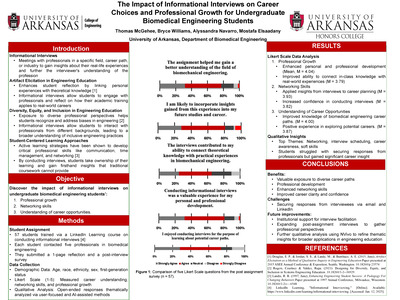
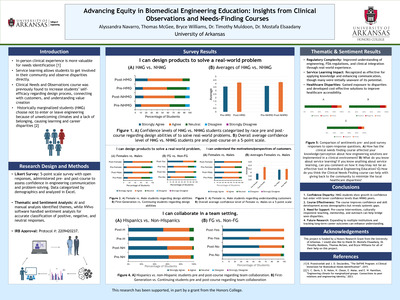
Combating clinical challenges with innovative engineering solutions is the sole purpose of biomedical engineering. To equip students with the skills needed for their future careers in biomedical engineering, our department has implemented a junior-level clinical and industry immersion course into the curriculum, aiming to combine unique clinical experience and design building. This service-learning course emphasizes hands-on clinical observation and the identification of healthcare issues, with the goal of building students' confidence and skills in applying the engineering principles that are taught in class. Recognizing the disparities in STEM demographics, this study specifically examines the course's impact on historically marginalized groups (HMG), such as women, Hispanic, Black/African American, Native American, and first-generation students, compared to their non-historically marginalized group (NHMG) counterparts. The disproportionate spread of demographics in engineering poses significant barriers for HMG students. These students often battle with underrepresented or repressive environments, unequal opportunity to resources, and a lack of strong community with their peers—factors that can affect confidence and students’ overall chances at succeeding.
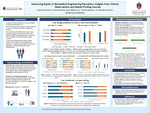
This ongoing study evaluates the effectiveness of the clinical immersion course closing disparities between students by analyzing pre- and post-course survey data. The surveys, which included both quantitative and qualitative questions, assessed students' skill development, sense of self-competence, and awareness of healthcare disparities. Overall, results showed the course was effective at increasing growth in skills, such as engineering design capability and understanding customer perspectives, for all students. Quantitative findings revealed significant gains in confidence and skill development across students, with HMG students demonstrating the most visible growth despite starting with lower confidence levels in comparison to NHMG students. Qualitative analysis using NVivo sentiment software highlighted the value students placed on clinical exposure and getting to speak to professionals, highlighting its role in deepening their understanding of engineering practices and healthcare inequities.
Despite the positive impact the course had on all students, the trend of lower confidence levels for HMG students before the course was taken alludes to the disparities these students may face in the classroom. By addressing these inequities in biomedical engineering education, we can begin to strategize how we can improve curricula and programs that are inclusive and tailored for underrepresented students, aiming to close the gap and promote equity in the classroom in order to build great future engineers.
-
Ecological Interactions of Large Mammals in Luangwa, Zambia
Jahzara Osborne and Amelia Villaseñor
"The connection between mammalian behavior in national parks and human-driven environmental change is tenuous. National parks are often considered the last vestiges of natural space, yet they are created and maintained by humans. South Luangwa National Park (SLNP) within the southern East African Rift is a microcosm of this global conundrum and is also a region where stable isotope data is sparce. Understanding the mammalian diets of mammals in the SLNP via carbon and oxygen stable isotopes in teeth will provide a means of understanding variation in one aspect of mammal behavior that may be affected by changing animal-human relationships. Here, we present mammalian carbon and oxygen stable isotopes from enamel among large mammals including the hippopotamus, elephants, impala, and buffalo within South Luangwa National Park (n = 32 individuals). Based on carbon isotopes, elephants (Loxodonta africana) show evidence of more exclusive browsing than is common in regions like Mozambique. Buffalo (Syncerus caffer) are grazers, while impala (Aepyceros melampus) are mixed feeders, which is common across parks in Southern Africa. Hippopotamus (Hippopotamus amphibius) are classified as both grazers and mixed feeders. Oxygen isotopes in hippopotamus specimens are generally low but varies by more than 2%. These stable isotopes reveal animal interactions with the environment, but we will also interpret this ecological variation within the context of conservation practice and climate change. This ecological information has implications for human evolution, a discipline which relies heavily on isotope baselines from national parks, and conservation ecology.
-
Exploring topological defects in Janus bilayers of Cr(I,Cl)3 and Cr(I,Br)3
Taksh Patel, Suyash Rijal, Charles Paillard, Changsong Xu, and L. Bellaiche
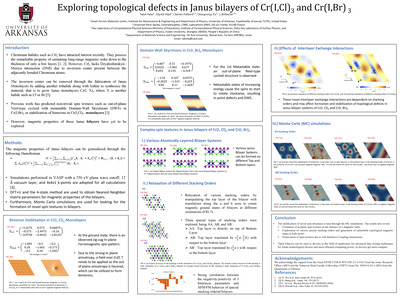
Chromium halides such as CrI3 have attracted interest recently. They possess the remarkable property of sustaining long-range magnetic order down to the thickness of only a few layers [1, 2]. However, CrI3 lacks Dzyaloshinskyii– Moriya interaction (DMI) due to inversion center present between the adjacently bonded Chromium atoms.
The inversion center can be removed through the fabrication of Janus Monolayers by adding another trihalide along with Iodine to synthesize the material, that is to grow Janus monolayers Cr(I, X)3 where X is another halide such as Cl or Br [3].
Previous work has predicted non-trivial spin textures such as out-of-plane Néel-type cycloid with metastable Domain-Wall Skyrmions (DWS) in Cr(I,Br)3 or stabilization of bimerons in Cr(I,Cl)3 monolayers [3].
However, magnetic properties of these Janus bilayers have yet to be explored.
-
Can Shame and Guilt be Used as a Deterrent for Substance Use and Crime Recidivism?
Megan E. Pesek and Lindsay S. Ham
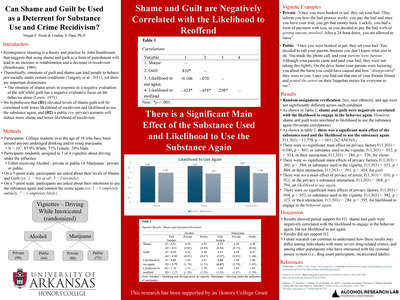
The present study focuses on how shame and guilt can be used as a deterrent for substance use and substance-related crime recidivism. This research is significant because of on-going alcohol and other drug crime recidivism in the United States. 68% of drug-involved offenders have been found to recidivate within 3 years of their release from prison (Langan & Levin, 2002). Understanding how guilt and shame affect one's drug use and crime recidivism is important in recovery. This study has been influenced by John Braithwaite's theory of reintegrative shaming: using guilt and shame as the specific deterrent for recidivism. Based on this theory, we developed vignettes to manipulate feelings of guilt and shame in the participant as a function of the degree to which the crime was publicly known versus private. Four vignettes are included: 2 drunk-driving (private and public) and 2 driving under the influence of marijuana (private and public), all of which were first piloted with students and experts. After the participant reads their vignette, they are asked questions on a 5-point Likert scale regarding their levels of guilt, shame, and likelihood to use the substance and commit the crime again. Preliminary data from 41 participants (61% women; ages 18-31) were used to evaluate the hypotheses that (H1) elevated levels of shame/guilt will be correlated with lower likelihood of recidivism, and (H2) a public (vs. private) scenario will induce more shame and lower likelihood of recidivism. Results show support for H1 and partial support for H2. Shame/guilt were negatively related to intentions to recidivate; there was a trend for shame/guilt to be higher trend in drunk-driving public outcome scenario than the private. If the hypotheses are confirmed when we complete data collection in a larger sample, then this study can support Braithwaite's theory of reintegrative shaming. The vignettes can be used in future research to better understand the connection between shame and guilt in response to impaired driving as a predictor of future re-offending. Future research can continue to understand how these results may differ among individuals with more severe drug-related crimes, and among other populations who have interacted with the criminal justice system (i.e., drug court participants, incarcerated adults).
-
Solo Versus Dual: A Comparative Analysis of Instructional General Aviation Accidents
Jesse Pham and Neelakshi Majumdar
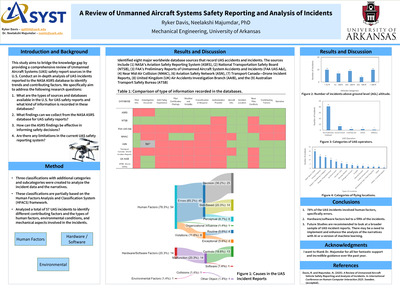
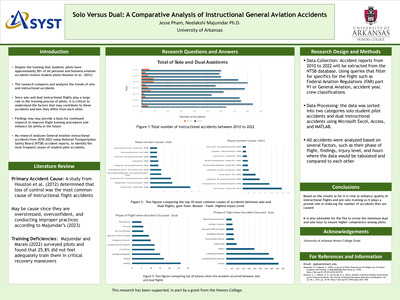
The Federal Aviation Administration (FAA) oversees and regulates all aviation operations in the United States including General Aviation (GA) (FAA, 2016). General aviation is defined as all civil aviation operations other than scheduled air services and non-scheduled air transport operations for remuneration or hire (ICAO, 2009). The FAA sets the standards for pilot certification and training. Student pilots are required to fly at least a minimum of 40 hours to earn their private pilot license (CFR, 2024). During this time, students are to fly for at least 30 hours with a flight instructor and 10 hours solo, which includes cross-country flights, maneuvers, emergency procedures, takeoffs, and landings. Although there are numerous regulations and training hours required for a pilot’s license, approximately 50% of all personal and business aviation accidents involve student pilots (Houston et al., 2012). The high rate of accidents can be attributed to several factors, with loss of aircraft control being the leading cause of student pilot accidents (Houston et al., 2012). Since student pilots form the foundation of the future generation of aviation professionals, it is necessary to provide a better understanding of the causes and factors that lead to instructional and solo student pilot accidents. This study analyzes General Aviation instructional accidents using the National Transportation Safety Board (NTSB) accident reports to identify the most frequent causes of such accidents. The study has so far led to the conclusion that the landing and take-off phases for both solo and dual flights are the reason for most accidents. Moreover, the study has identified a large disparity in the quantity of accidents between solo and dual flights. The findings from my proposed research may provide a basis for continued research to improve flight training procedures and enhance GA safety in the future.
-
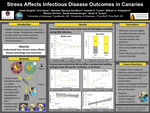
Stress Affects Infectious Disease Outcomes in Canaries
Vansh Singhal, Erin Sauer, Salvador Barraza-Del Barco, Kamiah H. Turner, William H. Kirkpatrick, Weston Perrine, Sarah Heissenberger, and Sarah E. DuRant
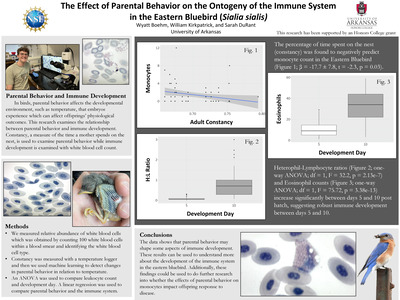
Chronic stress is related to a decline in immune function in all living organisms and is known to increase the likelihood of developing or exacerbating chronic non-infectious diseases. However, the role of chronic stress in affecting outcomes of infection important to individual health and endpoints important for epidemic dynamics (e.g., likelihood of transmission) are not well understood. In this study we exposed canaries (Serinus canaria) to chronic stress or control conditions after which they were inoculated with Mycoplasma Gallisepticum, a bacterium that causes respiratory disease in birds.
Following the chronic stress protocol, the canaries were assessed every day for measures of body condition (body mass and fat score) and disease pathology (eye swelling). Once a week, we also swabbed eye conjunctiva to measure pathogen load and collected blood samples to measure hematocrit levels. In this system greater eye swelling and higher pathogen loads are associated with greater likelihood of MG transmission.
Preliminary data demonstrated that birds exposed to chronic stress had greater body mass and fat stores but showed no significant differences in disease pathology compared to control birds. Pathogen load analysis using qPCR indicated no significant differences between stressed and control groups. However, chronic stress was associated with prolonged recovery times and higher mortality rates. Our findings highlight the ecological significance of chronic stress in wildlife populations, suggesting that frequent stressors, such as habitat disturbance or food scarcity, may heighten disease susceptibility and mortality. These results underscore the potential for chronic stress to amplify epidemic risks in stressed populations.
-
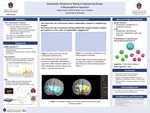
Stakeholder Perspective-Taking in Engineering Design; A Neurocognitive Approach
Megan Taylor, Yakhoub Ndiaye, and Jenn Campbell
During the engineering design process, the ‘black box’ of a designer's mind determines who the stakeholders are, which stakeholder needs they are addressing and how they will address them. This process can build bias into engineering designs, leading to less equitable, accessible, and inclusive engineered artifacts. Design neurocognition, a new field that aims to determine the unknowns of a working designer’s mind, has arisen because of this uncertainty. The fNIRS (Functional Near-Infrared Spectroscopy) allows insight into the prefrontal cortex during decision making processes by analyzing the change in oxygenated blood in the surface of the prefrontal cortex, about 3 cm (about 1.18 in) in depth. Triangulating the data received from both brain activity (from the fNIRS), with the traditional methods of design cognition and design thinking exercises results in a more robust emotional evaluation of the problem at hand. This study's objective is to analyze through interviews before and after data collection whether assuming stakeholder perspectives impacts the student perceptions of the importance of stakeholder engagement within the design process. The study is built upon design vignettes, a snapshot of an engineering problem that participants can clearly visualize. In this case, stormwater management in Northwest Arkansas. The participants will be asked to assume three stakeholder perspectives, a resident experiencing flooding, an engineer working toward a solution for stormwater management, and a City Public Works director, in random order and identify all needs and concerns they would have as their given stakeholder. The participants will be interviewed before and after data collection about the perceived effects of stakeholder engagement. The fNIRS data, which will be collected during the entire sequence of events, will be triangulated with the identified needs and interview data to determine whether different patterns of brain activation are associated with different design outcomes. Case studies alone have been shown to engage students more effectively than plain information, but little research has been done on what is happening differently within the student’s brain during such case studies. The results from this work build a stronger argument that stakeholder engagement should be incorporated more heavily into engineering courses, as in the long term, this learned procedure of stakeholder engagement and empathy leads to the lessening of repeated marginalization of certain disregarded groups, creating a better design for each stakeholder involved in the issue.
-
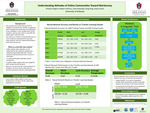
Exploring User Sentiment on Social Issues via Neural Network Transfer Learning in Digital Communities
Ananya R. Vangoor
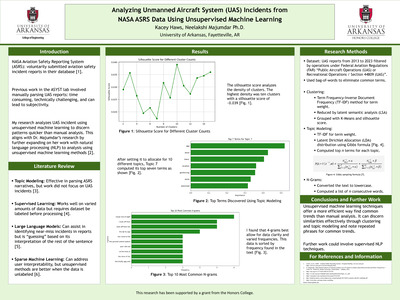
Understanding public sentiment on social issues is crucial for gauging the stance of the general population. Traditionally, surveys have been a common approach for this. However, to capture more candid opinions, social media provides a rich source of unadulterated opinions. By analyzing social media statements, we can gain insights into the perspectives of specific groups. More specifically, we will investigate the attitudes of the public into the relationship between hard work and success in the workplace.
To begin, I will be training a neural network on X, formerly known as Twitter, tweets to categorize each tweet as either pro-luck or pro-meritocracy. But will this neural network, trained on a particular set of tweets, accurately assess sentiment on a different social media platform? This is where transfer learning becomes valuable. Transfer learning leverages a model trained on one dataset (in this case, tweets) to analyze a similar group of users on another platform. My research focus is on comparing the results of inputting user posts from another social media platform (say Reddit) into the transfer-learned neural network as opposed to feeding those same posts into the original neural network trained on X tweets. By comparing the outputs of each neural network to the actual tweet classifications, we can assess which model is more accurate. The differences in their accuracy scores will help determine which approach performs better.
Transfer learning is a useful technique in neural networks since it eliminates the need to train a neural network from the start, which could be both time consuming and costly. However, it's crucial to evaluate the effectiveness of the transfer learning model to gauge its reliability.
-
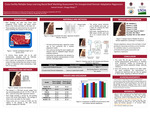
Cross-Facility Reliable Deep Learning Based Beef Marbling Assessment Via Unsupervised Domain Adaptation Regression
Samuel Vinson and Dongyi Wang
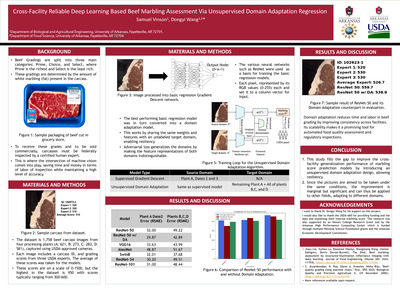
Beef is one of the most important sources of animal protein and plays a crucial role in daily diets to support muscle growth, energy production and overall health. Historically, each beef carcass was evaluated by 3-5 skilled United States Department of Agriculture (USDA) meat graders, which are still considered as the gold standard for grading. Since 2009, electronic imaging grading systems have been approved by the USDA and have been gradually adopted in the grading facilities. Accurate and consistent beef grading plays a critical role in maintaining the quality, market value, and consumer trust in U.S. beef products. The USDA beef grading system, primarily based on fat marbling characteristics, has long served as the industry standard for classifying beef quality. However, traditional grading methods relying on human visual inspection have been prone to variability among graders and inconsistencies across processing plants. To address these challenges, this study developed a deep learning based solution to predict USDA beef grades by analyzing fat marbling patterns in carcass images collected from multiple processing facilities. The dataset provided by the USDA, which includes expert-graded images of beef carcasses from seven processing plants, provides numerical scores on a range of 0-1500, which was used to train convolutional neural networks (CNNs) such as ResNet, VGG, and Inception. Additionally, this study proposes a unified unsupervised domain adaptation regression method, which was employed to enhance the models’ ability to generalize across different environments. The dataset reflected real-world variability, such as differences in lighting, equipment, and operational practices, ensuring the models could adapt to diverse plant conditions. By correlating image-based features with USDA grades, the models successfully identified intricate marbling patterns and reduced variability compared to human graders. Statistical analyses showed that the deep learning based approach provided more uniform results across plants, addressing the inconsistencies of traditional methods. In comparison with commonly utilized generic CNN deep learning models, the newly proposed unsupervised domain adaptation model achieves a significantly better marbling score prediction performance in different processing facilities. This study not only automated the beef grading process but also introduced a scalable and efficient solution for the industry. The integration of domain adaptation ensured robust performance in varying plant environments, making the system practical for widespread adoption. Beyond reducing labor costs and improving grading accuracy, this research contributed to a fairer system for producers by further standardizing grading criteria across facilities. By bridging advanced technology with traditional practices, this study provides a framework for policy makers to regulate and approve deep learning based beef grading protocol into commonplace beef grading practices.
-
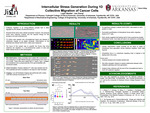
Intercellular Stress Generation During 1D Collective Migration of Cancer Cells
Logan Waddle and Jian Zhang
Physical forces drive many cellular processes such as migration and proliferation. A metastatic tumor will have invasive strands/chains that extend from the main tumor. These chains of cells collectively migrate away from the main tumor to establish new colonies elsewhere in the body. However, how physical forces drive this collective invasion and the required energy for this process is not well understood. Invasion of a metastatic tumor to surrounding tissues leads to a majority of cancer-associated death and is often a collective effort among cells, it is therefore important to fully understand the process behind collective cancer invasion.
The goal of this project is to determine the forces that drive collective cell migration in a one-dimensional system of cells. Analyzing a single strand of migrating cells allows for an in vitro analysis of metastatic chains developed by a tumor.
To confine migrating cells to a one-dimensional chain we engineered the extracellular environment via micropatterning such that cells only migrated along a thin line of extracellular matrix proteins patterned onto an elastic substrate. Once contained on a patterned elastic substrate with known physical properties, cell-matrix, and cell-cell forces were quantified via Traction Force Microscopy (TFM) by tracking substrate deformations. To connect these forces with cellular bioenergetics, we quantify the energy level of these migrating cell chains by measuring the cellular NADH:NAD+ ratio with a genetically encoded molecular probe.
Current results suggest that cells leading the collective migration experience greater forces, implying that these cells have greater bioenergetic needs. We have not found a statistically significant correlation between cellular energy and force generation, more replicates are needed to establish a relationship between the two.
-
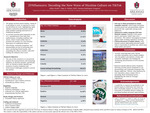
ZYNfluencers: Decoding the New Wave of Nicotine Culture on TikTok
Abbie Walls, Page D. Dobbs, and Susana Rodriguez Gongora
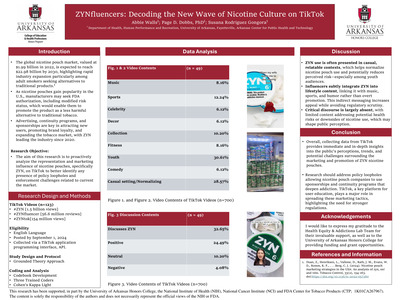
Significance: This research is crucial for understanding how ZYN, a leader in the rapidly growing nicotine pouch market, influences younger generations through platforms like TikTok. With the nicotine pouch industry projected to grow from $1.99 billion in 2022 to $22.98 billion by 2030, ZYNfluencers play a key role in shaping trends, building brand loyalty, and attracting new users. This phenomenon poses a challenge to tobacco control policies, as marketing strategies targeting youth—potentially with modified risk claims—could undermine efforts to limit nicotine's appeal. By examining ZYN’s impact on social media, this study highlights the need for updated regulations to address the evolving influence of influencers and the digital marketing landscape.
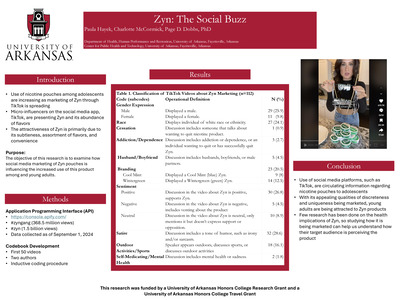
Methods: A sample of 123 TikTok videos videos relevant to ZYN content posted by September 1st, 2024 were collected via (API) a TikTok application programing interface from https://console.apify.com/ using the popular hashtags #ZYN ( 1.5 B views) #ZYNtok ( 154 M views) #ZYNfluencer ( 56.6 M views). A codebook was developed using the first 50 videos, where each author analyzed and captured key themes. In the final codebook, all of the collected data was annotated and classified by if the video contained content regarding discussions about ZYN whether those are positive, negative or neutral, the presence of fitness or sports themes, celebrity endorsements, popular music, the physical appearance of the presenter, such as youth, comedy, methods of normalization, and abundant collections. We defined if the account was operated by “influencers” via the following count (>1,000) and the users appeal towards nicotine use, specifically with ZYN products.
Results: Overall, 39.8% of the videos analyzed were directly related to ZYN content creators and the promotion of ZYN use. Among the relevant videos, 24.4% featured the normalization or casual portrayal of ZYN in social and cultural contexts. 16% of the videos discussed the product itself, with the sentiment breakdown as follows: 37.5% of these discussions were negative, 25% were neutral, and 37.5% were positive. Additionally, 10.2% of the videos incorporated humor, using memes or jokes to depict ZYN. 14.2% of the users featured in the videos appeared to be youthful, and 6% of the videos included celebrity endorsements or promotional content.
Implications: The rise of ZYN and its promotion by influencers on TikTok highlights regulatory gaps in nicotine pouch marketing, particularly targeting youth. Many young users may perceive these products as safer alternatives to cigarettes, despite the risks of nicotine addiction and health issues like heart disease and cancer. This underscores the need for stronger regulations to protect younger generations from the growing influence of digital marketing and nicotine use.
-
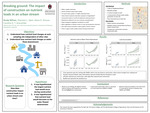
Breaking ground: The impact of construction on nutrient loads in an urban stream
Brody N. Wilson, Shannon Speir, Alana G. Strauss, and Caroline G.T. Anscombe
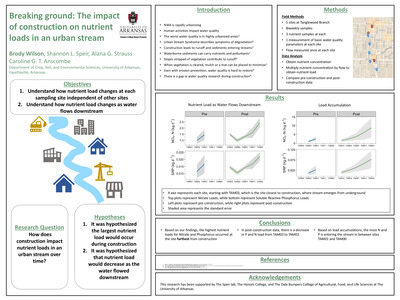
Degradation of water quality is primarily driven by human activities, such as urbanization. Urban Stream Syndrome (USS) can be characterized by the negative physical, chemical, and biological changes to water quality as a result of urbanization. One key effect of USS is the input of excess nutrients, which can drive unwanted macrophyte and algal growth. New construction is prevalent in urbanizing areas, resulting in the influx of nutrients, sediments, and other materials into stream ecosystems. However, few studies have examined the impacts of active construction on water quality. As such, we do not understand how construction affects nutrient transport downstream. Here, we studied the impacts of construction on urban water quality in Tanglewood Branch in Fayetteville, Arkansas, which originates from a spring below an ongoing construction project. We measured soluble reactive phosphorus (SRP) and nitrate (NO3-) concentrations in water samples collected biweekly, and discharge in order to calculate loads at five sites downstream of the construction. We calculated instantaneous nutrient load and examined spatiotemporal variation. Preliminary findings show that SRP and NO3- loads decrease moving downstream of the construction, suggesting that in-stream biota are removing SRP and NO3- from the water column during transport. This study will increase our understanding of construction projects on water quality and assist in determining if municipalities may need to consider stricter construction regulations to restrict unwanted nutrients from entering surface waters.
Printing is not supported at the primary Gallery Thumbnail page. Please first navigate to a specific Image before printing.