


Files
Download Full Text (1.4 MB)
Date of Graduation
5-2026
Description
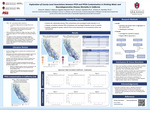
Per- and polyfluoroalkyl substances (PFAS) are a contaminant of emerging concern due to their chemical structure that afford a plethora of issues with regards to degradation on environmental and metabolic fronts. PFAS are amphiphilic and contain a carbon-fluorine bond, which complicates their movement through the environment and ensures their longevity in biological systems. Their persistence in biological systems has led them to be marked as “forever chemicals” and have emphasized them as a priority area for research in recent years. Current work on PFAS relationships to human health have pointed to some causes for concern. Much of the research on PFAS and human health does not focus on neurological health. With animal studies, primarily mice models, establishing relationships between PFAS and nervous system effects, more work is needed to understand potential exposure pathways for mitigation. Therefore, the goal of this research is to complete an exploratory analysis of the relationship between PFAS compounds in drinking water and the incidence of neurological health disorders that are listed as a cause of death for populations in the United States. Data on PFAS compounds was collected from the U.S. Environmental Protection Agency and compared with county-level health outcomes for two states in the U.S. using ArcGIS and R. The outcomes of this research have the potential to provide justification for future studies aimed at evaluating environmentally-based PFAS exposures and human health.
Publication Date
2026
Document Type
Poster
Degree Name
Bachelor of Science in Biology
Degree Level
Undergraduate
Department
Biological Sciences
Advisor/Mentor
Logsdon Muenich, Rebecca
Disciplines
Biology
Keywords
Natural Science
Citation
Waters, E. (2026). Analysis of the pervasiveness of per- and polyfluoroalkyl substances (PFAS) and their relationship with the incidence of neurological health disorders. 2026 Research Poster Competition. Retrieved from https://scholarworks.uark.edu/hnrcsturpc26/15

