-
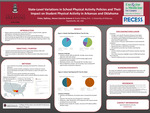
State-Level Variations in School Physical Activity Policies and Their Impact on Student Physical Activity in Arkansas and Oklahoma
Sydney K. Crees and Erin Howie Hickey
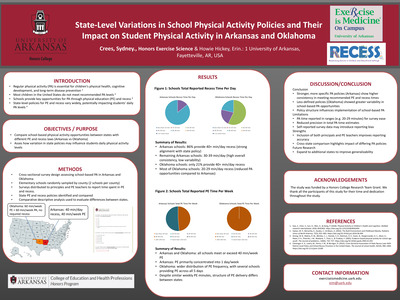
Regular physical activity is critical for children's health and development, yet most U.S. children fall short of recommended daily activity levels. Schools represent a key opportunity to address this gap through PE and recess, though state policies governing these vary widely. This cross-sectional study compared school-based physical activity in Arkansas and Oklahoma, two states with distinct policies. Arkansas mandates 40 minutes of daily recess and 40 minutes of PE per week, while Oklahoma requires 60 minutes of weekly PE and 60 minutes of additional weekly physical activity but does not mandate recess. Surveys were distributed to principals and PE teachers at randomly sampled elementary schools. Results from 35 Arkansas and 14 Oklahoma schools revealed notable differences. All Arkansas schools met the 40-minute weekly PE threshold, and 86% met the 40-minute daily recess requirement. Oklahoma schools generally met PE minimums, but only 21% reported 40 or more minutes of daily recess, with most reporting just 20–29 minutes. These findings suggest that more specific state mandates, like Arkansas's, correlate with greater compliance and consistency in school-based physical activity. Clearer policy language may be a critical lever for improving children's daily activity levels and should inform future legislation and school health interventions.
-
The Relationship Between Skeletal Muscle Mass and Gait Performance in Breast Cancer Patients: A Pilot Study
Sidney Fewell
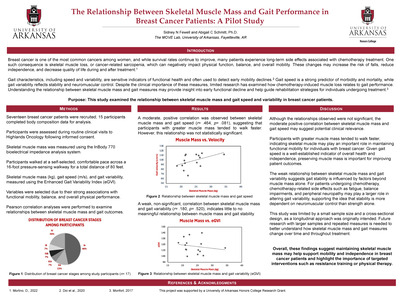
This study examined the relationship between skeletal muscle mass and gait performance in breast cancer patients undergoing or previously treated with chemotherapy. Results showed a moderate positive association between skeletal muscle mass and gait velocity, suggesting that maintaining muscle mass may support functional mobility, while gait variability appeared to be influenced by additional factors beyond muscle mass alone.
-
Changes in activity levels observed in elementary grade levels.
Kelsie R. Harvey
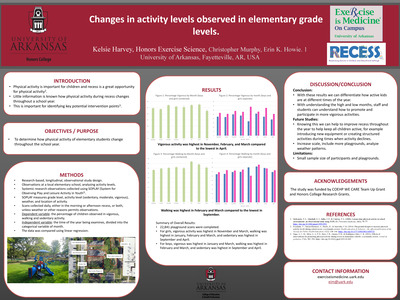
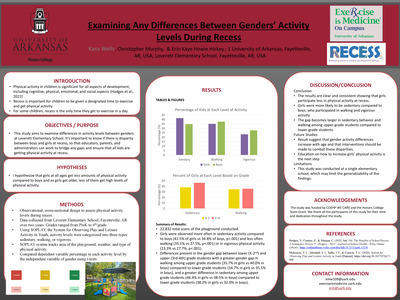
Background: Physical activity is important for children, recess is a great opportunity for physical activity, however, little is known how physical activity during recess changes throughout a school year, which is important for identifying key potential intervention points. Purpose: To determine how physical activity of elementary students changes throughout the school year. Methodology: This is a research-based, longitudinal, observational study design. Through local observations at a nearby elementary school, we can analyze the activity levels of elementary students. Trained research assistants conducted systematic research observation using SOPLAY (System for Observing Play and Leisure Activity in Youth) method. SOPLAY measures the grade level, activity level (sedentary, moderate, vigorous), weather, and location of activity. Training took place at the beginning of the school year and consisted of online and in-person training. I learned how to correctly identify the differences between activity levels and how to classify an activity within a certain range. During observations we scan left to right, scanning only females or only males on each scan. There is a specific rotation around the playground to follow and categorize the playground structures. The research team conducts observations regularly, unless weather or other reasons permits observations. Almost daily we have someone collecting data either at morning or afternoon recess, or both. The dependent variable is the percentage of children observed in vigorous, walking and sedentary activity. The independent variable is the time of the year being examined, divided into the categorical variable of months, which were compared using a linear regression. Results: We completed 22,841 playground scans. For all students, there were differences in percentage of students observed in vigorous, walking and sedentary by month (all p< .001). Vigorous activity was highest in November (27.0%), February (27.1%) and March (27.5%) compared to the lowest in April (22.4%). Walking was highest in February (41.9%) and March (38.9%) compared to the lowest in September (33.2%). Sedentary was highest in September (42.3%) and April (41.9%) compared to the lowest in February (30.9%). For girls only, vigorous activity was highest in November (25.0%) and March (22.3%), walking was highest in January (39.9%), February (40.9%) and March (39.2%), and sedentary was highest in September (45.7%) and April (46.4%). For boys only, vigorous was highest in January (33.9%) and March (32.6%), walking was highest in February (43.0%) and March (38.7%), and sedentary was highest in September (38.8%) and April (37.8%). Discussion: With these results we can differentiate how active kids are at different times of the year. Knowing this we can help to improve recess throughout the year to help keep all children active, for example introducing new equipment or creating structured activities during times when activity declines.
Funding Source: COEHP WE CARE Team Up Grant, Honors College Research Grants
Word Count: 439
-

Analyzing Educators’ Roles in Preparing Students for Civic Engagement in Arkansas Communities
Mia L. Hastings
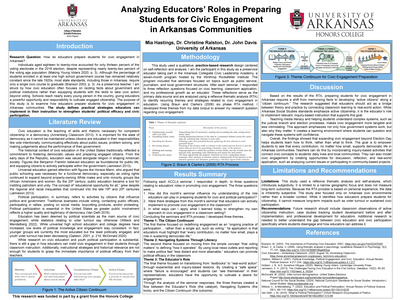
Young adults ages eighteen to twenty-nine make up a large portion of the voting age population but historically participate in elections at lower rates. Although most students take at least one high school civics course, civic education often emphasizes the memorization of governmental facts rather than preparing students with the skills needed for active civic participation. This gap highlights the need to examine how educators can better prepare students for meaningful civic engagement. The purpose of this study is to examine how educators prepare students for civic engagement in Arkansas communities. The study defines practical strategies educators can implement in their instruction to strengthen students’ political efficacy and civic participation. This study uses a qualitative, practice-based research design centered on self-reflection and analysis. I am the participant in this study as a preservice educator taking part in the Arkansas Collegiate Civic Leadership Academy, a seven-month program hosted by the Winthrop Rockefeller Institute. The program included five seminars focused on topics such as public service, journalism, and local government structures. After each seminar, I responded to three reflection questions focused on civic learning, classroom application, and my professional growth as a future educator. These reflections serve as the primary data source and are analyzed using a reflexive thematic analysis to identify recurring themes and strategies related to civic engagement in education. I have compared my findings to Arkansas’s current social studies civic standards to evaluate how these experiences informed classroom practices that support civic participation. Results identify key themes from my reflections that highlight strategies educators can use to promote civic engagement among students in their classrooms. The analysis reveals connections between civic learning experiences and effective classroom practices that encourage political efficacy and participation. This study highlights how experiential civic learning can inform educators’ approaches to promoting civic engagement. The findings provide practical strategies for teachers, administrators, and curriculum developers to better integrate civic participation into classroom instruction. By connecting civic education with real-world engagement, educators can better prepare students to become informed and active citizens. These insights strengthen civic learning practices in Arkansas schools and support further efforts to increase youth civic participation.
-
A Review of Mobility and Gait Changes in Patients with Prostate Cancer: Disease Stage, Symptom, and Treatment-Related Influences
Lauren Hathorn and Abigail Schmitt Dr
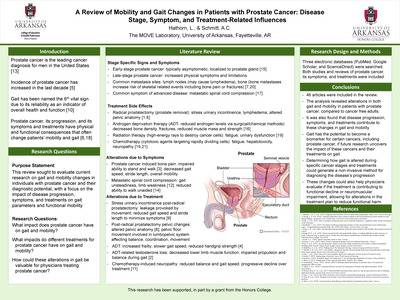
Background: This review examines the impact of prostate cancer symptoms, progression, and treatments on patients’ gait and mobility. Prostate cancer is the leading cancer diagnosis for men in the United States, with an increase in incidents in the last decade. Prostate cancer, its progression, and its various symptoms and treatments have both physical and functional consequences that often cause changes in patients’ mobility and gait. Some studies have found gait to be a predictor of functional decline and mortality. Given that functional decline and mortality are also consequences of cancer progression and cancer treatments, gait analysis could offer a non-invasive method tracking cancer progression. These findings could contribute to the idea of gait characteristics being a potential biomarker for cancer. This review summarizes current research to better understand how gait and mobility are impacted by prostate cancer and determine whether they have the potential to be a biomarker for prostate cancer. Purpose: The aim of this review was to evaluate current research on gait and mobility alterations in individuals with prostate cancer and their diagnostic potential, with a focus on the impact of the disease progression, symptoms, and treatments on gait parameters and functional mobility. Methodology: Three electronic databases (PubMed, Google Scholar, and ScienceDirect) were searched. Both studies and reviews of prostate cancer, its symptoms, and treatments were included. Results: Twenty-five articles were included in the review. The analysis found that there were alterations in both gait and mobility in prostate cancer patients. It was also found that the disease’s progression, its symptoms, and its treatments contribute to these changes in gait and mobility. However, while there is a significant amount of research on the impact of prostate cancer on mobility, there is a significant gap in the research on the impact of prostate cancer and its treatments on gait. Conclusion: Alterations in gait and mobility are present in individuals with prostate cancer and impacted by the disease progression, current symptoms, and treatment method. Current literature is limited on how prostate cancer influences gait parameters, making it difficult to determine stage-specific gait alterations. Future research should focus on longitudinal studies to create a better understanding on how progression, symptoms, and treatments collectively affect both gait and mobility.
-
Validity and Reliability of the WUT Hydration System When Assessed in the Afternoon
Peyton A. Hines, Rosie Perez, Rebecca Allen, Shawn Wierick, Xiujing Zhao, Corey Butts, and Brendon McDermott
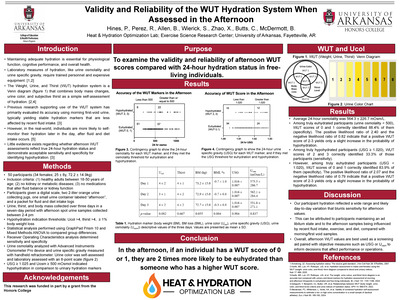
The WUT (weight, urine color, and thirst) Venn diagram is recommended for individuals to self-assess their hydration status. However, current research is limited to comparisons between morning first-void markers and 24-hour markers. PURPOSE: To examine the validity and reliability of afternoon WUT scores in comparison to 24-hour hydration status. METHODS: Fifty participants (25 ± 8y, 72.2 ± 14.9kg) voluntarily participated in this study. Participants collected afternoon spot urine between 2:00 and 4:00 pm and 24-hour urine samples on three out of seven consecutive days. Body mass (BM), urine color (Ucol), urine osmolality (Uosm), urine specific gravity (USG), and thirst perception were measured and recorded for afternoon samples in free-living conditions. Ucol, Uosm, and USG were measured and recorded for 24-hour samples. Spot values for hypohydration were as follows: afternoon USG ≥1.020, body mass loss (BML) > 1%, Ucol > 4, and thirst level > 4. The total number of hypohydration indicators was classified as 0, 1, 2, or 3 to form the WUT score. The sensitivity and specificity of 0, 1, 2, or 3 WUT scores were characterized using Receiver Operating Characteristics (ROC) analysis to calculate the predictive value of WUT in hypohydrated and euhydrated states. A positive likelihood ratio (LR+) provided additional context, indicating predictive capacity of WUT markers, indicating 24-hour Uosm > 500mOsm/L. RESULTS: Among truly hypohydrated participants (urine osmolality greater than 500), WUT scores of 2 and 3 correctly identified 30% of those participants (sensitivity). However, among truly euhydrated participants (urine osmolality < 500), WUT scores of 0 and 1 correctly identified 84% of them (specificity). The positive likelihood ratio of 1.9 and the negative likelihood ratio of 0.83 indicate that a positive WUT score of 2-3 produces only a slight increase in the probability of hypohydration, falling just short of the clinically significant likelihood ratio. Body mass loss decreased across days (day 1: -0.8 ± 1.0%, day 2: -0.7 ± 0.8%, day 3: -0.3 ± 0.8%, p-value: 0.0036), indicating an improvement in fluid balance. Thirst (day 1: 4±1, day 2: 4±2, day 3: 4±2, p-value: 0.6671) and urine color (day 1: 4±1, day 2: 3±1, day 3: 4±2, p-value: 0.0817) were not significantly different across days. The average 24-hour urine osmolality was 564.3 ± 226.7 mOsm/L. CONCLUSION: Our participant hydration reflected a wide range and likely day-to-day variation that blunts sensitivity for afternoon values. This can be attributed to participants maintaining an ad libitum state and to the afternoon samples being influenced by recent fluid intake, exercise, and diet, compared with morning/first void samples. Overall, afternoon WUT values are best used as a screening aid paired with objective measures such as USG or Uosm to inform decisions that affect performance or operations. PRACTICAL APPLICATION: In field settings such as athletics, the military, and occupational settings, the WUT Venn diagram should be used as a screening aid alongside additional scientific measures to reflect overall hydration status accurately.
-
Exploring the Impact of Age on Traumatic Brain Injury Cause and Recovery in Arkansas: A Retrospective Review
Abby Jones, Steven Wheeler, and Jessica Danley
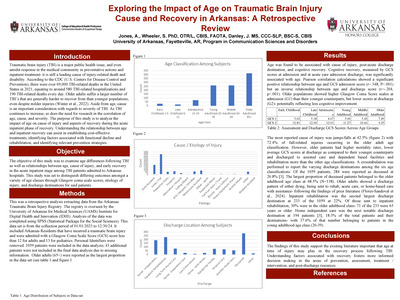
Traumatic brain injuries (TBIs) remain a major public health concern, and increasing evidence goes to show the significance of the effect of age in quality of care, diagnosis, and recovery outcomes. In rural states, such as Arkansas, where research has shown a lack of resources and higher fatality rates among TBI patients, healthcare professionals can become better informed and equipped as a result of research efforts to uncover the effects of age on cause and recovery for inpatient TBI individuals in the early stages (Daugherty et al., 2022). Current research and prior evidence suggests that older individuals are more likely to suffer TBIs in general, more likely to have incurred TBI through a fall, and have poorer outcomes as compared to younger populations with more positive prognosis- even if initial injury is similar between the two groups (Winter et al., 2022). This study utilized retrospective analysis to extract data from the University of Arkansas for Medical Sciences Brain Injury Registry. It included Arkansas residents that have incurred a traumatic brain injury and were admitted as patients with a GCS score less than 12 for adults and 13 for pediatrics. Patient age, injury cause, and measures of injury severity and recovery were noted during the acute inpatient phase, then analyzed. Findings included a majority of the admitted patients in the older adulthood age classification (65+), having injuries largely due to falls, and had higher mortality rates compared to their younger counterparts. Additionally, adults in young adulthood through older adulthood presented with higher GCS scores at initial presentation, then lower GCS scores at discharge comparatively. Exploring this relationship can provide clinicians with information to better diagnose, treat, and assist their patients in the long term through measures like higher efficiency in initial care, reducing misdiagnosis, supporting patient education in rehabilitation and injury prevention measures, and to emphasize the importance of personalized care. This research is especially relevant in the state of Arkansas, where large rural populations underscore the significance of raising awareness of the seriousness of traumatic brain injuries and encourage Arkansas healthcare providers to administer careful and comprehensive care.
-
Motivational Systems in Education that Encourage Academic Achievement & Student Leadership
Hannah A. Lockhart and Angela Elsass
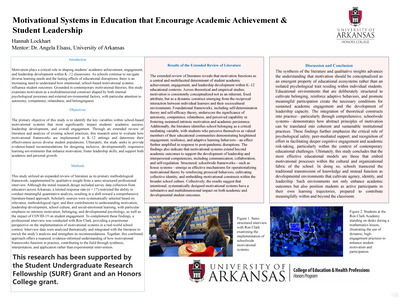
This research examines how school-based motivational systems influence academic achievement, student engagement, and leadership development in K–12 educational settings. Grounded in contemporary motivational theory, the project explores motivation as a multidimensional construct shaped by autonomy, competence, relatedness, and belonging. Using an expanded review of literature as the primary methodological framework, the research synthesized 97 scholarly sources retrieved through multiple academic databases, including the University of Arkansas Libraries system, and integrated qualitative insight from a semi-structured professional interview with educator Ron Clark. Findings suggest that intentionally designed motivational systems, including schoolwide frameworks that foster belonging, recognition, and student agency, have a substantive impact on both academic and developmental outcomes. The findings advance understanding of motivation as an embedded feature of educational ecosystems rather than an isolated individual trait and offer evidence-based implications for designing inclusive learning environments that support student success and leadership development.
-
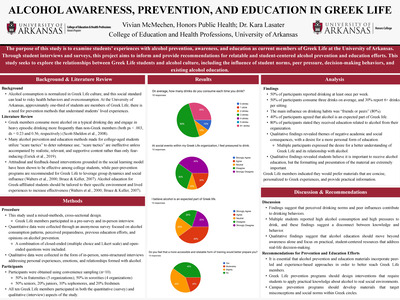
Alcohol Awareness, Prevention, and Education in Greek Life
Vivian J. McMechen, Kara Ann Lasater, and Page Dobbs
Background: Alcohol consumption is normalized in Greek Life culture, and this social standard can lead to risky health behaviors and overconsumption. At the University of Arkansas, approximately one-third of students are members of Greek Life; there is a need for prevention methods that understand students’ lived experiences. Purpose: The purpose of this study is to examine students’ experiences with alcohol prevention, awareness, and education as current members of Greek Life at the University of Arkansas. Through student interviews and surveys, this project aims to inform and provide recommendations for relatable and student-centered alcohol prevention and education efforts. Methodology: This study used a mixed-methods, cross-sectional design. Participants were obtained using convenience sampling (n=10). All participants were informed of the purpose and procedure of the study. Ten students volunteered to participate, half in sororities and half in fraternities. Multiple Greek Life organizations were represented to allow for a variety of perspectives. Quantitative data were collected through an anonymous survey focused on alcohol consumption patterns, perceived preparedness, previous education efforts, and opinions on alcohol prevention. Each student answered all survey questions before participating in the interview. Qualitative data was taken in the form of in-person, semi-structured interviews addressing personal experiences, emotions, and relationships formed with alcohol. Survey and interview questions were developed based on established constructs in alcohol research, supporting content validity. A combination of closed-ended (multiple choice and Likert scale) and open-ended questions was included to capture participants’ perspectives and experiences. In order to enhance reliability, a consistent question structure was enforced along with standardized administration procedures. Quantitative data were reviewed using descriptive statistics, and qualitative data were coded for recurring themes. Results: The final subject pool (n=10) was 50% male and 50% female. Fifty percent of participants reported drinking at least once per week, with 50% consuming three drinks on average and 30% reporting 6+ drinks per sitting. The main influence on drinking habits was “friends or peers” (80%). Forty percent of participants agreed that alcohol is an expected part of Greek life, and 80% of participants stated they received education related to alcohol from their organization. Qualitative findings revealed themes of negative academic and social consequences, with a desire for a more personal form of education. Multiple participants expressed the desire for a better understanding of Greek Life and its relationship with alcohol. Discussion: Findings suggest that perceived drinking norms and peer influences contribute to drinking behaviors. Multiple students reported high alcohol consumption and high pressures to drink, and these findings suggest a disconnect between knowledge and behavior. Qualitative findings suggest that alcohol education should move beyond awareness alone and focus on practical, student-centered resources that address real-life decision making.
-
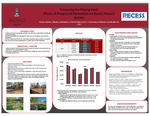
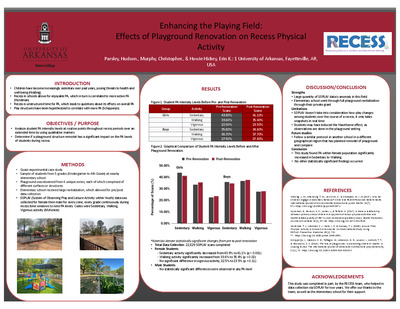
Enhancing the Playing Field: Effects of Playground Renovation on Recess Physical Activity
Hudson M. Parsley
Background: Children in recent years have become increasingly sedentary, which poses major risks to their health and overall well-being. Recess is a point of interest in the field of exercise science, as research has found increased recess time is associated with increased levels of PA, but little is known on how the quality of recess, such as playground structures, affects physical activity. Purpose: The aim of my study is to investigate if there is a significant change in physical activity habits during recess among elementary school students due to a change in playground play structures and surfaces, in the form of a case study following the complete renovation of one elementary school in Fayetteville’s playground. Methods: A large team and I have collected data through the System of Observing Play and Leisure Activity in Youth (SOPLAY) (McKenzie 2000) for physical activity habits for the past two years, one year before the renovation, and one year after. All children at the playground were observed anonymously, with principal approval and human subjects' exemption approval from the University of Arkansas IRB. Through the SOPLAY method, PA can be categorized into three different levels of intensity, sedentary, walking (encompassing light and moderate), or vigorous. The SOPLAY method is coded with PA intensities in real time by trained individuals. The individuals follow a strict training protocol that confirms accuracy of coded activity through a series of YouTube training videos. After data was collected, t-tests were performed to determine changes in physical activity levels of students in the school at both points in time. Results: A total of 22,829 scans have been completed. For girls, the percentage of walking increased from before to after (33.6% vs 35.4%, p=0.02) the renovation and sedentary time decreased (43.9% vs 41.1%, p< .001). There were no differences in girls’ vigorous physical activity before and after (22.5% vs 23.5%, p=0.11) the renovation. For boys, there were no changes in walking (36.7% vs 37.7%, p=0.15), sedentary (35.8% vs 34.6%, p=0.09) or vigorous (27.5% vs 27.8%, p=0.74) physical activity before or after the renovation. Discussion: The results suggest playground renovation at this elementary school had the greatest impact among girls, by significantly reducing their sedentary levels and increasing walking levels. However, no significant difference in vigorous PA was found for either gender; furthermore, boys had no significant change in any intensities of PA due to the playground modernization. The findings of this study suggest that modernization of play structures may re-engage girls into more PA, but future interventions should incorporate more diverse equipment, or structured play to effectively promote higher-intensity PA across a more diverse student population.
-
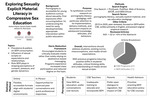
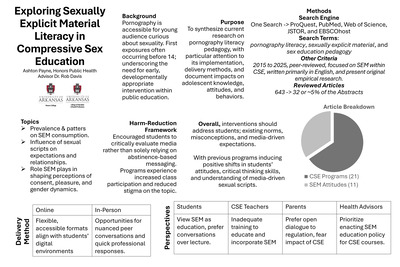
Exploring Sexually Explicit Material Literacy in Compressive Sex Education
Ashton Payne
Background: Pornography has become increasingly accessible in recent years, particularly for younger audiences. Many individuals now report first exposure before the age of fourteen, underscoring the need for early, developmentally appropriate interventions within public education. To address students’ existing norms, misconceptions, and media‑driven expectations, especially those related to sexually explicit material (SEM), educators and researchers have emphasized the importance of pornography literacy as a critical component of modern comprehensive sex education (CSE). Purpose: This review synthesizes current research on pornography literacy pedagogy, with particular attention to its implementation, delivery methods, and documented impacts on adolescent knowledge, attitudes, and behaviors. Methods: Searches were conducted using the keywords pornography literacy, sexually explicit material, sex education pedagogy, and combinations of these terms. The University of Arkansas’s OneSearch served as the primary search engine, drawing from major academic databases including ProQuest, PubMed, Web of Science, JSTOR, and EBSCOhost. To be eligible for inclusion, articles had to be published between 2015 and 2025, peer‑reviewed, focused on SEM within CSE contexts, written primarily in English, and present original empirical research rather than review articles. A total of 643 articles met the initial keyword criteria, with 32 ultimately included in the final review after applying the full set of inclusion requirements to abstracts. Results: Across these studies, authors consistently highlighted the importance of SEM literacy, even when explicit materials were not incorporated directly into instruction. Attempts to integrate SEM literacy into curricula produced mixed results, but most interventions demonstrated positive shifts in students’ attitudes, critical thinking skills, and understanding of media‑driven sexual scripts. Instructional approaches varied widely; programs were delivered both in person and online, reflecting the need for flexible, accessible formats that align with students’ digital environments. Common topics included the prevalence and patterns of pornography consumption, the influence of sexual scripts on expectations and relationships, and the role of SEM in shaping perceptions of consent, pleasure, and gender dynamics. Several studies also highlighted the value of harm‑reduction frameworks, which encourage students to critically evaluate media rather than rely solely on abstinence‑based messaging. Discussion: Overall, the literature suggests that CSE programs that omit discussions of SEM risk underserving students. Young people actively seek information about sexuality and relationships, and in the absence of structured guidance, they often rely on peers or online sources that may reinforce misinformation. Integrating pornography literacy into CSE is therefore essential for equipping students with the critical skills needed to navigate SEM safely, responsibly, and with greater media awareness.
-
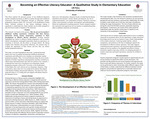
Becoming an Effective Literacy Educator: A Qualitative Study In Elementary Education
Lillian Petry
Background: This thesis explores the personal journey of one childhood education teacher candidate becoming an effective teacher through both childhood experiences and formal preparation through an elementary teacher preparation program within a R1 University in the Southeastern United States. Arkansas continues to face literacy challenges making it significant to understand how future teachers can be better prepared to face the diverse needs of students in the classroom. Purpose: This research was based on the question: How do pre-service teachers’ childhood reading experiences, combined with their literacy instruction during teacher preparation, contribute to their development as effective literacy educators? Existing research highlighted key factors to effective teacher preparation such as teacher identity development, meaningful mentorship, hands-on experiences, an awareness of diversity, and the ability to navigate failures. By taking insights from literature and personal reflections, the research aims to evaluate the importance of these factors and how they can inform teacher preparation practices. Methodology: This study is an auto-biographical case study. I analyzed personal diaries and voice recordings documenting childhood educational experiences and reflections on my training in an elementary teacher preparation program. Then, I reviewed literature about the most critical elements of teacher experiences and preparation and their correlation to effectiveness, and transitioned to the interview portion of my research. I conducted four interviews of professors at an elementary teacher preparation program within an R1 University in the Southeastern United States who work with pre-service elementary educators. After transcription, these interviews were analyzed for themes that aligned with literature findings and personal reflections. Results: Interviews with elementary education faculty revealed that the themes identified in the literature: teacher identity development, the role of experienced teachers, core components of literacy instruction, diversity, culture, and community on literacy development, and understanding failure are emphasized in teaching practices. Faculty integrate research into instruction and support pre-service teachers in implementing these ideas in authentic classroom environments. Discussion: Allowing pre-service teachers ample opportunities to grow in authentic classroom environments allows for the opportunity to apply theoretical knowledge and for pre-service teachers to gain a better understanding of the modern classroom. Fostering teacher identity, cultural competence, and resilience in the face of challenges supports the development of effective literacy educators. This study suggests combining personal experience with structured teacher preparation equips pre-service teachers to be adaptable and effective literacy instructors capable of growing with the ever changing demands of modern classrooms and improving literacy outcomes for children in Arkansas.
-
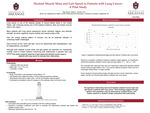
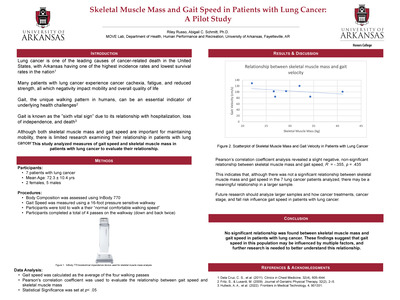
Skeletal Muscle Mass and Gait Speed in Patients with Lung Cancer: A Pilot Study
Riley K. Russo and Abigail Schmitt
Skeletal Muscle Mass and Gait Speed in Patients with Lung Cancer: A Pilot Study
Russo, R. & Schmitt, A.C.: The MOVE Lab, University of Arkansas, Fayetteville, AR
Background: Lung Cancer is one of the leading causes of deaths in the United States, and Arkansas has one of the highest rates of lung cancer in the nation. Many patients with lung cancer experience cancer cachexia, fatigue, reduced strength, and mobility, all which negatively affect a patient’s life. Gait can be used as an essential indicator of underlying health challenges; specifically gait speed has been defined as the “sixth vital sign” for its relationship to overall health and functional ability. Gait speed and skeletal muscle mass both play an important role in maintaining mobility; however, the relationship between the two in lung cancer patients is not well studied.
Purpose: The purpose of this study was to examine the relationship between skeletal muscle mass and gait speed in patients diagnosed with lung cancer. I hypothesized that patients with more skeletal muscle mass would correlate with faster gait speeds.
Methodology: Eight patients with lung cancer were enrolled in the study and 7 were included in the final analysis (5 males, 2 females, average age: 72 years). Participants provided informed consent before height, weight, and body composition were measured using an InBody 770 bioelectrical impedance analysis to determine skeletal muscle mass. Gait speed was taken using a 20-foot pressure-sensing walkway. Participants were instructed to “walk at your normal, comfortable pace” down and back across the walkway twice to collect gait speed. Data was then analyzed through Pearson’s correlation coefficient to evaluate the relationship between skeletal muscle mass and gait speed.
Results: There was a slight negative, non-significant relationship between skeletal muscle mass and gait speed (R = -.355, p= .435). This indicates that there was not a statistically significant relationship between skeletal muscle mass and gait speed in the 7 lung cancer patients analyzed.
Discussion: The results of this pilot study examining skeletal muscle mass and gait speed in patients with lung cancer are inconclusive. Potential reasons for this lack of statistical significance may be attributed to the study’s small sample size, variability in cancer stages, and body composition of participants. Additionally, sarcopenia can have a complex relationship with skeletal muscle mass and mobility within older adults, which may have contributed to the null results. More studies and research are needed to further investigate the correlation between skeletal muscle mass and gait speed.
Funding source: Honors College Research Grant
Word Count: 381
-
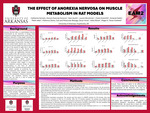
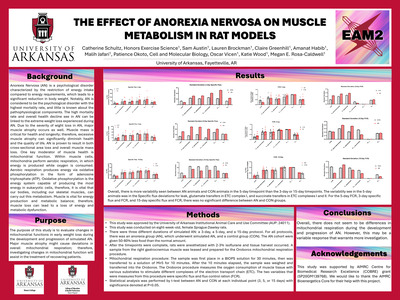
The Effect of Anorexia Nervosa on Muscle Metabolism in Rat Models.
Catherine Schultz, Megan Rosa-Caldwell, Malih Jafari, Katie Wood, Claire Greenhill, Sam Austin, Lauren Brockman, Patience Okoto, Oscar Vicen, and Amanat Habib
Anorexia Nervosa is an extremely deadly psychological disorder characterized by excessive weight and muscle loss. Muscle mass is critical for health and longevity; therefore, excessive muscle atrophy can significantly diminish health and quality of life. One key moderator of muscle health is mitochondrial function. The purpose of this study is to evaluate changes in mitochondrial functions in early weight loss during the development and progression of simulated AN. Major muscle atrophy might cause deviations in overall mitochondrial respiration; therefore; investigating changes in mitochondrial function will assist in the treatment of recovering patients. This study was conducted on eight-week-old, female Sprague Dawley rats. There were 3different durations of simulated AN: a 3-day protocol, a 5-day protocol, and a 15-day protocol. For all protocols, there was an anorexia group (AN), which underwent simulated AN, and a control group (CON). The AN cohort was given 50-60% less food than the normal amount for the duration of the protocol. After the timepoints were complete, tissue harvest occurred. A sample from the right gastrocnemius muscle was teased and prepared for the Oroboros procedure. The Oroboros measures the oxygen consumption of muscle tissue with various substrates to stimulate different complexes of the electron transport chain. The two variables that were measured from this procedure were specific flux (SF) and flux control ratio (FCR). SF refers to the rate of oxygen consumption within the mitochondria, while FCR measures the metabolic efficiency of the different complexes of the electron transport chain. Statistical analysis was performed by t-test between AN and CON at each individual timepoint (3, 5, or 15 days) with significance denoted at P < 0.05. Overall, there is more variability seen between AN animals and CON animals in the 5-day timepoint than the 3-day or 15-day timepoints. The variability seen in the 5-day animals was in the SF deviations for leak, glutamate transfers in ETC complex I, and succinate transfers in ETC complex I. For the 5-day FCR, 3-day SF and FCR, and 15-day FCR and SF, there was no significant difference between the AN and CON groups. This finding was partially consistent with the hypothesis. There were some differences between the AN and CON; however, the differences were expected to be between mean values of the groups and not in the variability. Additionally, differences seen in the 5-day groups, coupled with the lack of differences seen in the 3-day groups, suggest that during longer durations of simulated AN, there is more variability in mitochondrial respiration. However, preliminary data in 15-Day animals suggests that there are no differences between AN and CON groups. Additional testing must be conducted to further understand the reliability and validity of these results.
-

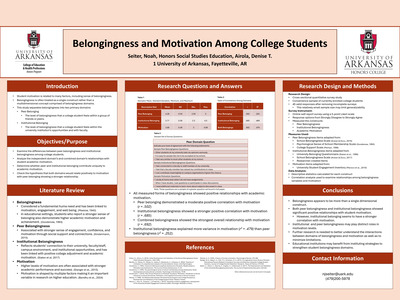
Belongingness and Motivation Among College Students
Noah Seiter
Background/Introduction: Student motivation is influenced by a plethora of variables and factors in educational settings which include the student’s sense of belongingness; however, belonging is often treated as a single construct rather than a dimensional idea. This study addresses the need to differentiate student belongingness into its distinct components of peer belonging and institutional belongingness and examine their unique contributions to levels of student motivation in the collegiate level. Purpose: The purpose of this study is to examine this distinction between levels of institutional belongingness and peer belongingness as well as their independent and collective influences on motivation among college students. This study seeks to determine whether these forms of belonging contribute differently to motivation and to what degree of contribution, if any. Before completing research, we hypothesized there would be a stronger positive correlation between peer belongingness and higher academic motivation although both would see some form of positive correlation. Methodology: This study employed a cross-sectional design in the form of a survey. We collected data from a convenience sample of college students currently enrolled in a university. After filtering out unfinished and incomplete responses, we were left with 45 valid responses to analyze and determine results. However, it is noted that the relatively small sample size is a significant limitation in this research. Survey items were adapted from established instruments. For measures of peer belongingness, questions from the School Belongingness Scale, Psychological Sense of School Membership Scale, and College support scale were used. Measures of institutional belongingness pulled from the University Belonging Questionnaire, School Belongingness Scale, and questions created for this research project. Measures of Motivation all came from the University Student Engagement Inventory. A five-point Likert-scale was used to measure participants’ extent of agreement with answers ranging from “Strongly Disagree” to “Strongly Agree”. Data was analyzed using correlation analyses to determine relationships among variables. Results: Findings indicate that institutional belonging demonstrates a stronger positive correlation (r = 0.685) with high academic motivation than peer belonging alone (r = 0.502). However, the combined influence of institutional and peer belonging produce the strongest correlation with academic motivation (r = 0.692). Discussion/Conclusion:These findings suggest that belongingness is greater than a single dimensional construct. Institutional and peer belongingness both have distinct but positive correlations with motivation levels. Considering the limitations, further investigation about motivation and belongingness is needed, particularly the interplay between peer and institutional belongingness. This study reinforces prior research on belongness and motivation while identifying potential areas to prioritize strategies that foster positive belongingness, both peer and institutional, which are strongly associated with student motivation at a collegiate level.
-
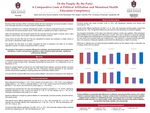
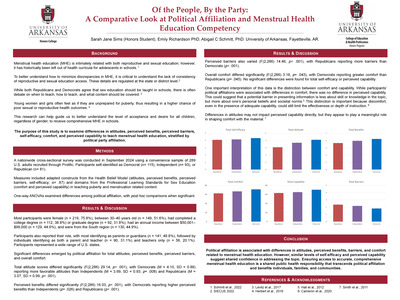
Of the People, By the Party: A Comparative Look at Political Affiliation and Menstrual Health Education Competency
Sarah J. Sims, Emily Richardson, and Abigail C. Schmitt
Background: In an increasingly polarized political climate and amid growing restrictions on reproductive healthcare, menstrual health education (MHE) has become both a public health and sociopolitical issue. Menstrual health is a foundational component of overall well-being and should be treated as a human right. However, it is frequently stigmatized, inconsistently taught, and often embedded within broader sexual education curricula. Political ideology influences educational policy, school standards, and public discourse surrounding reproductive health topics. Understanding how political party affiliation shapes perceptions of menstrual health education is critical to reducing stigma and promoting inclusive, evidence-based health education. Purpose: The purpose of this study was to examine differences in attitudes, perceived benefits, perceived barriers, self-efficacy, comfort, and perceived capability to teach menstrual health education, stratified by political party affiliation. Methods: A nationwide cross-sectional survey was conducted in September 2024 using a convenience sample of U.S. adults (N = 289) recruited through Prolific. Participants self-identified as Democrat (n = 115), Independent (n = 93), or Republican (n = 81). Measures included adapted constructs from the Health Belief Model (attitudes, perceived benefits, perceived barriers, self-efficacy; α = .87) and domains from the Professional Learning Standards for Sex Education assessing comfort and perceived capability in teaching puberty and menstruation related content. One-way ANOVAs were conducted to examine differences across political affiliation, with post hoc comparisons performed when significant. Results: Significant differences emerged by political affiliation for total attitudes, perceived benefits, perceived barriers, and overall comfort. Total attitude scores differed significantly (F(2,286) = 29.136, p < .001), with Democrats (M = 4.10, SD = 0.88) reporting more favorable attitudes than Independents (M = 3.69, SD = 0.93; p = .008) and Republicans (M = 3.07, SD = 0.99; p < .001). Independents also reported more favorable attitudes than Republicans (p < .001). Perceived benefits differed significantly (F(2,286) = 16.033, p < .001), with Democrats reporting higher perceived benefits than Independents (p = .026) and Republicans (p < .001). Perceived barriers also varied (F(2,286) = 14.457, p < .001), with Republicans reporting more barriers than Democrats (p < .001). Overall comfort differed significantly (F(2,286) = 3.178, p = .043), with Democrats reporting greater comfort than Republicans (p = .045). No significant differences were found for total self-efficacy or perceived capability. Conclusions: Political affiliation is associated with differences in attitudes, perceived benefits, barriers, and comfort related to menstrual health education. However, similar levels of self-efficacy and perceived capability suggest shared confidence in addressing the topic. Ensuring access to accurate, comprehensive menstrual health education is a shared public health responsibility that transcends political affiliation and benefits individuals, families, and communities.
-
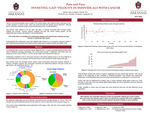
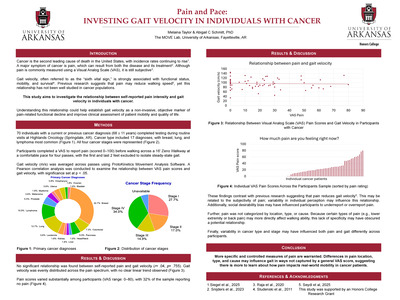
Pain and Pace: Investigating Gait Velocity in Individuals with Cancer
Melaina E. Taylor
Background: Cancer remains the second leading cause of death worldwide, with incidence rates continuing to rise. Pain, a hallmark symptom of many cancers, is caused by both the progression of disease and treatments. Gait, the way in which someone walks, is now dubbed the “6th vital sign” for its strong relationship with functional status, longevity, and survival. Specifically, gait velocity is a key metric for gait, with previous studies in cancer free adults showing increased pain associated with a decreased gait velocity. The relationship between gait velocity and pain has not yet been explored in individuals with cancer. Purpose: The purpose of my study was to examine the relationship between self-reported pain and gait velocity in individuals with cancer. It was hypothesized that higher pain levels would be associated with decreased gait velocity. Methods: This study utilized 70 participants (mean age = 68 years) who had a current or previous diagnosis of cancer. The sample included 17 different cancer types, with the three most common being breast cancer, lung cancer, and lymphoma. Participants completed a Visual Analog Scale (VAS) to rate their pain and then performed four walking passes at their normal, comfortable walking pace on a 16-foot pressure-sensing walkway. The acceleration and deceleration phases were excluded to isolate steady-state gait velocity and average gait velocity was calculated in meters per second (m/s). The primary dependent variable was gait velocity, and the independent variable was VAS pain score. A Pearson Correlation analysis was conducted to assess the relationship between pain and gait velocity. Results: The correlation revealed no significant linear relationship between the VAS self-reported pain scores and gait velocity (r = .04, p = .75). Participants demonstrated a wide distribution of both pain scores (range: 0 - 80) and gait velocities (range: 34.17 - 145.4 m/s) across varying cancer types and stages, with no discernable trend. Discussion: Contrary to my initial hypothesis, individuals with cancer showed no relationship between perceived pain and gait velocity. These results may suggest that gait velocity is influenced by additional factors beyond subjective pain, such as cancer type, treatment status, and pain location specifics. Likewise, the wide variability in VAS scores may include potential social desirability bias. This data suggests gait velocity does not exhibit a linear relationship with pain in a heterogeneous sample of cancer patients, emphasizing the necessity for further research with stricter parameters.
Funding Source: Honors College Research Grant
-
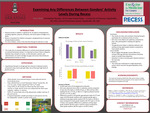
Examining Any Differences Between Genders’ Activity Levels During Recess
Kara M. Wells
Physical activity in children is significant for all aspects of their development, including cognitive, physical, emotional, and social aspects. Recess is important for children to be given a designated time to exercise and get physical activity. For some children, recess is the only time they get to exercise in a day. This study aims to examine differences in activity levels between genders at Leverett Elementary School. It is important to know if there is a disparity between boys and girls at recess, so that educators, parents, and administrators can work to bridge any gaps and ensure that all kids are getting physical activity at recess.
-
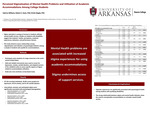
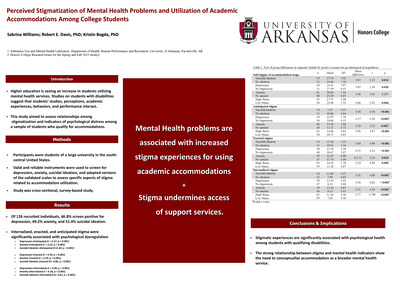
Perceived Stigmatization of Mental Health Problems and Utilization of Academic Accommodations Among College Students
Sabrina Williams, Robert E. Davis Ph.D., and Kristin Bogda Ph.D.
Background: Higher education is seeing an increase in students utilizing mental health services. Studies on students with disabilities suggest students often have reservations about accessing these accommodations due to anticipated social stigmatization. Purpose: This study aimed to assess relationships among stigmatization and indicators of psychological distress among a sample of students who qualify for accommodations. Methods: This was a cross-sectional survey of students at a large university in the central United States. Data collection measures included previously validated screening instruments for depression, anxiety, suicidal ideation, and adapted versions of the validated scales to assess specific aspects of stigma related to accommodation utilization. Results: The sample (n=126) had positive screens for depression, anxiety, and suicidal ideation at 46.8, 49.2, and 51.4%, respectively. Internalized, enacted, and anticipated stigma were significantly associated with psychological dysregulation. Regarding depression, Internalized (t = 4.00, p < 0.001), Enacted (t = 4.39, p < 0.001), Anticipated (t = 4.17, p < 0.001). Anxiety, Internalized (t = 4.18, p < 0.001), Enacted (t = 2.29, p < 0.001), Anticipated (t = 3.23, p < 0.001). Suicidal Ideation, Internalized (t= 4.81, p < 0.001), Enacted (t= 4.80, p < 0.001), Anticipated (t=4.30, p < 0.001). Conclusions: Stigmatic experiences are significantly associated with psychological health among students with qualifying disabilities. The strong relationship between stigma and mental health indicators shows the need to conceptualize accommodation as a broader mental health service.
-
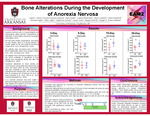
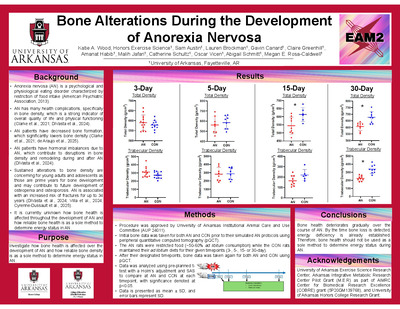
Bone Alterations During the Development of Anorexia Nervosa
Katie Wood, Sam Austin, Lauren Brockman, Gavin Canard, Claire Greenhill, Amanat Habib, Malih Jafari, Catherine Schultz, Oscar Vicen, Abigail Schmitt, and Megan Rosa-Caldwell
Background: Anorexia nervosa (AN) is a psychological and physiological eating disorder characterized by calorie restriction, fear of gaining weight, and disturbances in body image. It has many negative effects on health and physical functioning, specifically bone health; however, it is unknown how bone health is affected throughout the development of AN and how reliable bone density is as a sole method to determine energy status in AN. Purpose: Investigate how bone health is affected over the development of AN and how reliable bone density is as a sole method to determine energy status in AN. Methodology: All methods were approved by the University of Arkansas Institutional Animal Care and Use Committee (AUP 24011). 8-week-old, female Sprague Dawley rats (n=6-12 rats/group) were divided into control (CON) and AN groups within each timepoint (3-, 5-, 15-, and 30-day). Their age and sex roughly corresponds to the human age (teenage to young adult years) and sex (female) affected by AN in rats, and larger samples (~9-12 rats) were used for 3- and 5-day timepoints, as subtler changes were anticipated, and smaller samples (~6-9 rats) were used for 15- and 30-day timepoints, where larger changes were expected. All rats were housed in a temperature (~23°C) controlled and 12:12 light-dark cycle animal facility. AN rats underwent simulated AN (~50-60% ad libitum consumption) for their designated timepoint to reflect the calorie restriction of AN while CON rats maintained their ad libitum diets. Before AN and after designated timepoints, all rats underwent peripheral quantitative computed tomography (pQCT) to assess bone health, specifically total bone density and trabecular density. Data was divided into groups and timepoints (CON and AN; 3-, 5-, 15-, and 30-day) and statistically analyzed using pre-planned t-tests with a Holm’s adjustment and SAS to compare the AN rats to the CON rats at each timepoint. To control for possible baseline differences, baseline values were used as a covariate. Significance was denoted at p< 0.05. Results: At 3 days, total density and trabecular density were not significantly different in AN and CON rats (p=0.9598 and p=0.2508, respectively). At 5 days, there was still no significant difference in total density and trabecular density of AN and CON rats (p=0.0700 and p=0.1446, respectively). At 15 days, there was significant difference in total density but not trabecular density of AN and CON rats (p=0.0003 and p=0.1965, respectively). At 30 days, total density and trabecular density were statistically different in AN and CON rats (p< 0.0001). Discussion: Bone health deteriorates gradually over the course of AN. By the time bone loss is detected, energy deficiency is already established. Therefore, bone health should not be used as a sole method to determine energy status during AN.
Funding Source: Honors College Research Grant, AIMRC Center for Biomedical Research Excellence (COBRE) grant (5P20GM139768, M.E.R).
Printing is not supported at the primary Gallery Thumbnail page. Please first navigate to a specific Image before printing.