-
Developing Bioassays for Detection of Residual Herbicides in Compost
Esther Moore
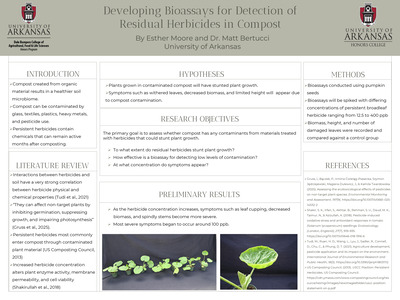
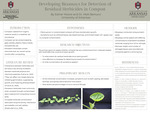
Developing Bioassays for Detection of Residual Herbicides in Compost, the use of synthetic herbicides has dominated the field of agricultural production for over a century. While synthetic herbicide use has resulted in an undeniable boost in agricultural productivity, risks such as environmental degradation and reduced yield of non-target plant species must be considered. Key among these risks is compost contamination, especially from persistent herbicides. After these herbicides are applied, they are absorbed by growing vegetation, consumed by herbivores, passed through the digestive tract, and reintroduced into soil manure based compost. Even after this process, chemicals in such herbicides can remain active months after composting. Sensitive crops, such as pumpkins, may be especially susceptible to injury resulting from herbicide contamination. A greenhouse bioassay will be conducted using Jarrahdale pumpkin seeds to screen compost contaminated with clopyralid at six rates (12.5, 25, 50, 100, 200, and 400 parts per billion) against a nontreated control over four weeks to assess injury such as leaf cupping, epinasty, and abnormal growth, height, leaf number, and fresh and dried biomass. This trial will be organized in a randomized complete block design with four replicates and repeated in fall 2026. This research project aims to determine the extent to which residual toxins from compost contaminated with the herbicide clopyralid stunts plant growth; the effectiveness of bioassays for detecting low levels of contamination in compost; the symptoms plants experience due to compost contamination; and the concentration at which these symptoms begin to occur. This research will provide valuable insight into the risk contaminated compost poses to soil health and plant growth. The results of this research have the potential to aid in developing regulations for herbicide application rates that prevent loss in crop yield without harming the surrounding environment. Furthermore, it will offer effective methods to detect residual herbicide contamination in compost and other soil amendments to allow for more efficient and effective management practices.
-
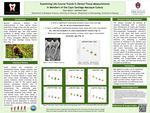
Examining Life Course Trends in Dental Tissues Measurements in Members of the Cayo Santiago Macaque Colony
Tyler Moore
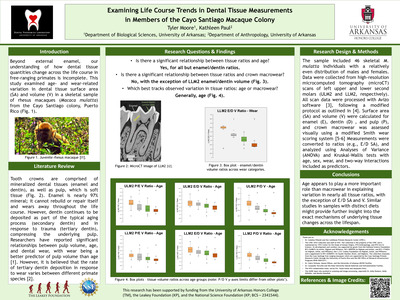
Dental tissue dynamics in primates are largely understood: as enamel wears with tooth use, tertiary dentin is laid down in response to cumulative (micro)traumas, compressing the internal pulp chamber and root canals. However, our knowledge of the rate and pattern of change in tissue quantities across the life course of primates remains incomplete, particularly in well-documented free-ranging populations. This study examined age- and sex-related variation in dental tissue surface area (SA) and volume (V) in a skeletal sample of rhesus macaques (Macaca mulatta) from the Cayo Santiago colony (Puerto Rico), a population with known life history data. Forty-six individuals were divided into four age cohorts, with a balanced representation of males and females. High-resolution microcomputed tomography (microCT) images of each individuals’ maxillary and mandibular left molars were processed using Avizo software. Following segmentation and surface generation, SA (mm2) and V (mm3) of enamel, dentin, and pulp were measured and converted to tissue/tissue SA and V ratios to account for individual body size differences. Results confirm the expected pattern of decreasing pulp/dentin, pulp/enamel, and enamel/dentin values with age. There was a significant difference in all tissue ratios across age groups, with the exception of enamel/dentin SA; sex also had a significant, independent impact on variation in enamel/dentin V. These findings correspond with expected life course dental tissue dynamics in rhesus macaques across multiple molar positions. The results provide insight into essential covariates for future microCT studies of mixed-age dental samples and contribute to comparative research on primate tooth wear and aging.
-
Comparatively Exploring Journalism and Oral Histories as Modes of Advocacy for Marginalized Communities
Miceala Morano
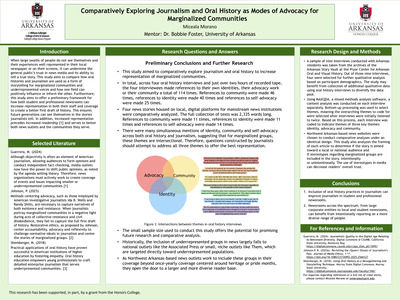
Journalism is used to inform people, to serve as the watchdog of the government, and to tell intriguing, timely stories that would remain uncovered otherwise. However, misrepresentation of marginalized communities in the stories journalists tell can undermine the public’s trust in news media. In a study conducted at Oxford University, researchers determined that members of communities that are historically marginalized due to factors such as race, gender and class were more likely to see mainstream news media as “biased, sensationalistic, and depressing” and the journalists that write them as “out of touch, lacking the lived experience or knowledge to understand their realities, or even prejudiced.” However, many people within these focus groups also said that they had positive experiences with individual journalists and blamed the many shortcomings of commercial news media as a whole. (Arguedas, 2023) To determine how oral history research techniques used by researchers at the Pryor Center for Arkansas Oral and Visual History could be used to increase journalistic integrity, four interviews conducted by a student research team at the Pryor Center were coded and analyzed using qualitative data analysis software. Each person who was interviewed identified both as an Arkansan and as a member of a historically marginalized community. Each person’s responses were sorted based on expressions of personal advocacy, identity and community using MAXQDA, a qualitative data software program. Preliminary results indicate that discussions of advocacy, identity and community often overlapped, and people felt more comfortable telling personal stories and identifying as a proud member of a marginalized community when they were given more time to reflect on an open-ended question before speaking. Oral history techniques such as this empower an interviewee to control their own narrative, rather than allowing the interviewer to impose preconceived stereotypes or biases about a person or marginalized group during an interview. Further research is now needed to determine how to train journalists to ask better questions and hold more authentic conversations to increase public trust in news media.
-
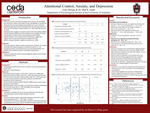
Attentional Control, Anxiety, and Depression
Anna Morgan
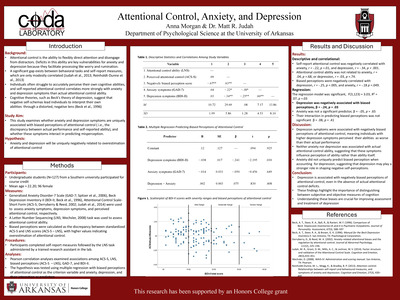
Anxiety and depression are among the most prevalent and debilitating mental health conditions worldwide. Research suggests that both anxiety and depression are related to deficits in the ability to focus and shift attention, known as attentional control. These effects are present in data using behavioral measures of attentional control (e.g., accuracy in resequencing alphanumeric strings) and self-report measures, though more strongly in the latter. However, studies have found little if any correlation between behavioral and self-report measures of attentional control. One possibility is that anxiety and depression are associated not only with deficits in attentional control, but also more strongly with negatively biased self-perceptions of one’s attentional control. The mismatch between self-report and behavioral measures of attentional control may be taken as a proxy for how negatively biased an individual perceives their attentional control abilities. To test the hypothesis that anxiety and depression are associated with inaccurate perceptions about attentional control abilities, I examined whether anxiety and depression were uniquely associated with the difference between self-reported attentional control and behavioral attentional control abilities (i.e., z-score of self-report minus z-score of abilities). Participants (N=121) were recruited from a psychology department research pool and were asked to complete self-report measures of anxiety, depression, and perceived attentional control, as well as a behavioral measure of attentional control. These variables were measured respectively by the Generalized Anxiety Disorder-7 scale (GAD-7), Beck Depression Inventory-II (BDI-II), Attentional Control Scale (ACS), and a Letter-Number Sequencing (LNS) test. In the LNS test, participants were required to repeat a series of verbally presented numbers and letters after rearranging them with numbers listed first in numerical order, followed by the letters in alphabetical order. Self-report attentional control was correlated with anxiety, r = -.21, p = .02, and depression, r = -.33, p < .001, but attentional control ability was not correlated with either anxiety, r = .04, p = .70, or depression, r = .02, p = .82. Multiple regression revealed a significant association, F(3,118) = 3.58, R2 = .29, p =.02, between negatively-biased perceptions of attentional control and depression, β = -.27, p = .02, but not anxiety, β = -.07, p = .51. There was no interaction between anxiety and depression in predicting negatively-biased perceptions of attentional control, β = .12, p = .20. The findings support a unique association between depression and negatively-biased self-perceptions about one’s ability to control attention. Anxiety was not related with biased self-perceptions after accounting for the role of depression. Evidence of anxiety and depression relating to attentional control ability deficits was not present. These findings underscore the importance of measuring abilities and perceived abilities and suggest that perhaps the latter have a more important role in anxiety and depression.
-
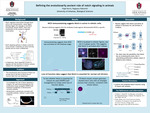
Moving towards defining the evolutionarily ancient role of notch signaling in animals.
Paige Norris
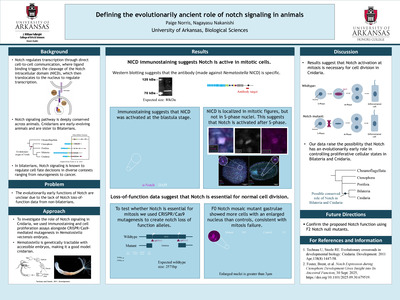
The notch signaling pathway is deeply conserved across animals from humans to sponges. It functions through direct cell-to-cell communication, where ligand binding triggers the cleavage of the Notch receptor’s intracellular domain (NICD), which then translocates to the nucleus to regulate transcription. In bilaterian lineages—animals with bilateral symmetry— Notch signaling is known to regulate binary cell fate decisions in diverse contexts ranging from neurogenesis to cancer. However, the functions of Notch signaling in early-branching animals, including cnidarians (e.g. jellyfish, corals and sea anemones), are still not fully understood; consequently, evolutionarily ancient roles of Notch remain ill-defined. To address this fundamental knowledge gap, we examine the role of the Notch receptor in Cnidaria, using the genetically tractable sea anemone cnidarian model Nematostella vectensis. By performing immunostaining of gastrula embryos with an antibody against the Notch intracellular domain, together with cell proliferation assays, we observed localization of the Notch intracellular domain in mitotic figures, but not in S-phase nuclei, in ectodermal and endodermal epithelia, indicating that Notch is activated in mitotic cells and may have a role in regulating mitosis. To further test this role, we used CRISPR/Cas9-mediated mutagenesis, to generate loss-of-function alleles of the Notch gene and confirmed successful mutations through genotyping PCR. We observed that early Notch mutant gastrula embryos had a higher number of ectodermal epithelial cells with enlarged nuclei than control embryos, consistent with Notch being necessary for cell division. Our preliminary data raise the possibility that Notch has an evolutionarily early role in controlling proliferative cellular states in animals.
-
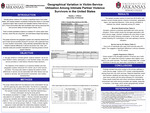
Rural Women and Intimate Partner Violence: A Geographical Analysis of Victim Service Providers in the Southern United States
Natalie O'Brien
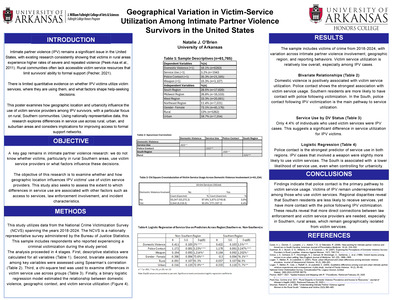
Intimate partner violence (IPV) is a persistent public safety and public health issue in the United States. Women in rural areas, particularly in the Southern United States, experience disproportionately high levels of frequency and severity. Prior research shows that as communities become more rural, survivors face greater risks of severe violence alongside fewer available support services. This study examines how geographic location shapes help-seeking behaviors and access to victim service providers among adult IPV survivors, with particular attention to differences between rural, suburban, and urban areas in the South. Using nationally representative data from the National Crime Victimization Survey (NCVS) from 2021 to 2023, this research analyzes incidents of intimate partner violence among adult women. The analysis incorporates reporting outcomes, law enforcement involvement, severity and type of violence, and key victim and offender characteristics. Geographic location is classified to compare rural, suburban, and urban areas, with additional comparisons between Southern and non-Southern regions. Descriptive and comparative statistical techniques are used to identify patterns in reporting behavior and utilization of victim service providers, such as shelters, legal aid, and advocacy organizations. Preliminary findings suggest that survivors in rural Southern areas are less likely to access formal victim service providers than their urban counterparts, despite experiencing higher levels of violence severity. Instead, rural survivors appear more likely to rely on law enforcement as their primary point of intervention. This pattern aligns with existing research describing rural communities as “service deserts," where long travel distances, limited funding, and a scarcity of social service organizations restricts survivors' options for support. Early results also indicate that the availability of services alone does not fully explain help-seeking behaviors. Factors such as law enforcement capacity, social norms, and the nature of the abusive incident may play an equally important role. These findings have real world implications for improving IPV responses in under-resourced communities. By identifying where and how survivors seek help, this research can inform policy efforts aimed at strengthening coordination between law enforcement and victim service providers, expanding service delivery, and tailoring intervention strategies to reflect the lived experiences of women in the rural South. More broadly, this study contributes to sociological research on inequality, rural justice systems, and gender-based violence, offering insight into how structural barriers shape survivors' access to safety and support. Final results will be available upon the completion of the full analysis in March 2026.
-
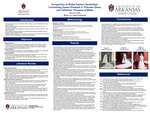
Historical Comparison of Fashion Symbolism: Evaluating Queen Elizabeth II, Princess Diana, and Princess Catherine of Wales
Rebecca O'Dea
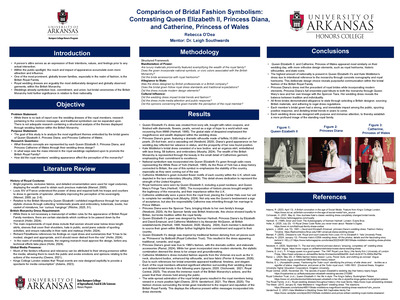
It is no secret that appearance is a determining factor of how one is perceived by others. One of the most significant elements of image is the clothes that one wears. Through dress people reveal aspects about themselves; a person’s attire serves as an expression of their intentions, values, and feelings in relation to their surroundings before any actual interaction takes place. The purpose of this study is to explore the phenomenon of the influential element of dress, specifically within royal costume. Within the public spotlight, the reach and impact of appearance accumulate more attraction and influence. This research focuses on members of British Royal Family, Queen Elizabeth II, Princess Diana, and Princess Catherine of Wales, and the values they embody through fashion. The research will provide both insight into principles held by the royal members, as well as tangible evidence of symbolism represented within their fashion. To analyze the attire, intentionally chosen fashion looks from each member will be studied, and subjected to three major themes: power, culture, and emotion. Through a guided questioner, the selected photographs will be examined to then conclude the primary value represented within the attire of royal figures. The overarching purpose of this study is to encourage people to think beyond the surface of fashion. Through the intentional analysis process within this project, guidance will be provided for future curiosity and delivery of the study of dress. The topic is one that personally generates interest and excitement, aiming to incite additional admiration and education in relation to the art of fashion.
-
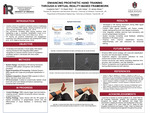
Enhancing Prosthetic Hand Training Through a Virtual Reality–Based Framework Integrated with the Coapt Control System.
Iruoghene Ojoh
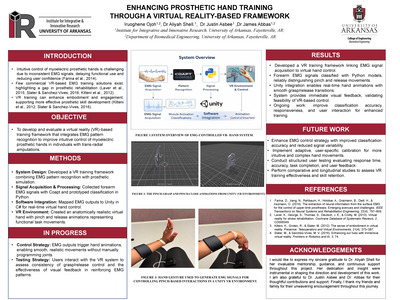
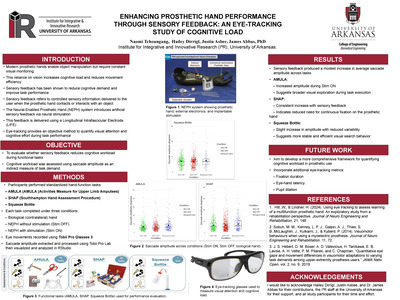
Enhancing Prosthetic Hand Training Through a Virtual Reality–Based Framework Integrated with the Coapt Control System. Ojoh, I.1,2, Shell, A.1, Asbee, J.1, Aguilar, D.1 ,Abbas, J.1,2, 1Institute for Integrative and Innovative Research, University of Arkansas, Fayetteville, AR; 2Department of Biomedical Engineering, University of Arkansas, Fayetteville, AR Introduction: Advances in upper-limb prosthetic hardware have greatly improved strength, durability, and mechanical performance; however, achieving intuitive control of EMG-based myoelectric prosthetic hands remains a significant challenge for individuals with trans-radial amputations. These devices rely on electromyography (EMG) signals generated by residual forearm muscles, which require consistent and well-coordinated muscle activation. Many users experience difficulty developing reliable control strategies during early training, which can delay functional use and reduce confidence. Enhancing training approaches for myoelectric prosthetic hand use is therefore an important need for prosthetic care. Methods: This project, conducted at the Institute for Integrative and Innovative Research (I³R), presents a virtual reality (VR)-based framework designed to enhance training of EMG-based myoelectric prosthetic hand use through the integration of a clinically relevant EMG pattern recognition control system (Coapt, LLC) with an immersive VR environment developed using Unity Technologies. Forearm EMG signals were analyzed using the Coapt system to identify user-specific muscle activation patterns associated with functional pinch and wrist movements relevant to myoelectric prosthetic control. Initial signal processing and classification logic were developed in Python to prototype EMG-to-movement mappings and assess classification reliability. These validated EMG outputs were then translated into C# and integrated into Unity for real-time VR interaction. Within the VR environment, an anatomically normal virtual human hand was animated using Unity’s Animation and Animator systems, with predefined pinch grasp and pinch release motions representing functional task states. EMG signals classified by the Coapt system triggered transitions between these animations, allowing the virtual hand to respond directly to user muscle activation. This animation-based control strategy enabled smooth, anatomically realistic finger motion without explicitly scripting individual joint movements. Results: Preliminary results demonstrate that users can consistently trigger grasp and release actions through EMG input, with immediate visual feedback reinforcing the relationship between muscle activation and hand motion. The immersive VR environment supports repeated practice of functional tasks in a safe, low-fatigue setting, promoting improved EMG signal consistency and user confidence prior to physical prosthetic training. This framework highlights the potential of VR-based training as an effective adjunct to conventional rehabilitation methods for myoelectric prosthetic hand use and supports future development of personalized and remote training systems.
-
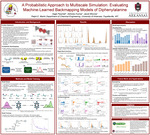
A Probabilistic Approach to Multiscale Simulation: Evaluating Machine-Learned Backmapping Models of Diphenylalanine
Sage Paschall
Diphenylalanine (FF) has demonstrated the tendency to form several nanostructures, a subset of which are electrically conductive and have exciting potential applications in biotechnology and nanoelectronics. However, the exact mechanisms underlying this self-assembly process remain largely ambiguous. Atomistic-scale molecular dynamics (MD) simulations allow for the evaluation of atomic-level interactions crucial in understanding the driving thermodynamic forces behind self-assembly, but are too computationally expensive to span the necessary timescale to observe the self-assembly process in action. Coarse-grained (CG) models allow for simulation at the appropriate timescale but come at the cost of vital atomistic detail. It is therefore important to develop methods of switching between atomistic and CG resolution efficiently to probe the necessary characteristics while maintaining computational efficiency. While methods of scaling down to the CG space from the atomistic are well established, scaling up from the CG space to the atomistic (backmapping) remains a significant challenge. While deterministic backmapping methods have been thoroughly studied, they fail to capture the inherent variability present in a CG structure. In our work, we incorporate machine-learning methods, specifically a probabilistic backmapping approach, to better represent this variability. Our backmappings reintroduce the positions of the 43 atoms in FF from an eight-bead representation utilized by the MARTINI CG force field. Separate models were trained in internal bond-angle-torsion (BAT) coordinates for each unique CG bead. Sampling and analysis of the learned probability distributions demonstrate that the models very accurately replicate diphenylalanine’s atomistic structure. Evaluation of the potential energies of backmapped structures reveals that the model predicts physically viable, low-energy conformations in the majority of cases. The compartmentalized training procedure additionally allows for a transition to more complex systems, such as long-chain polymers and proteins, with relative ease.
-
Assessing Mesenchymal Stem Cell Phenotype after Heparan Sulfate Supplementation
Isani Patel
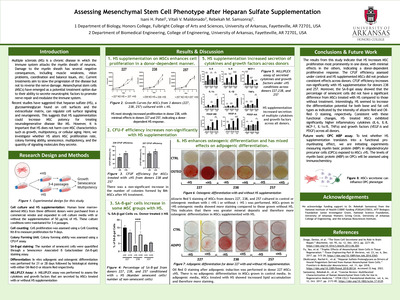
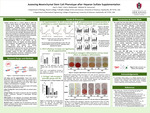
Multiple sclerosis is an autoimmune disease that damages the protective coating of nerves, often causing lasting neurological symptoms. Current treatments slow disease activity but rarely repair existing damage. In response to this, a novel treatment option has emerged: mesenchymal stem cell (MSC) therapy. MSCs are cells found in different adult tissues like bone marrow, and they have the potential to release repair-supporting signals and moderate inflammation. Nevertheless, results in a clinical setting have been inconsistent due to variations in cell potency. As a potential strategy to enhance MSC therapeutic potential, the addition of heparan sulfate, a naturally occurring signaling molecule, to cell cultures has been suggested. However, it is important that this molecule does not harm core MSC characteristics such as growth, multipotency, or cellular aging. Here, we investigate whether heparan sulfate alters MSC proliferation rate, colony forming ability, the rate at which these cells become senescent (or non-functional), ability to become other cell types, and the quantity of signaling molecules they secrete. Materials and Methods:Human bone marrow-derived MSCs from three different donors were purchased from a commercial vendor and expanded in cell culture media with or without the supplementation of heparan sulfate. These culture conditions were maintained for 3-4 passages. Subsequently, cell proliferation and colony forming ability were assessed using a Cell Counting Kit-8 (CCK) assay and a colony forming unit fibroblast (CFU-F) assay. Following that, the number of senescent cells was quantified through a Senescence-Associated β Galactosidase (SA-β-gal) staining assay. Next, cell differentiation into fat and bone cells was assessed by staining the oil droplets and calcium present in the cultures. Lastly, the amount of secreted cytokines and growth factors were measured by a multiplex assay using conditioned media. Results:The results from this study indicate that HS increases MSC proliferation most prominently in one donor, with minimal effects in the others, indicating a donor-dependent proliferative response. Moreover, the SA-β-gal assay showed that the percentage of senescent cells did not have a significant difference from MSCs treated with HS compared to those without treatment. Interestingly, HS seemed to increase the differentiation potential for both bone and fat cell types as indicated by the intensity of Alizarin Red and Oil-Red-O staining respectively. HS effects on colony-forming ability have been assessed. Consistent with these functional changes, HS-treated MSCs exhibited significantly higher inflammatory cytokines (IL-6, IL-8, MCP-1, IL-1α/β, TNFα) and growth factors (VEGF-A and PDGF) across all donors. Conclusion:This study demonstrates that HS increases MSC proliferative potential as well as their multipotency and secretion of different cytokines and growth factors without inducing cell senescence. These characteristics make HS a promising supplementation for MSCs since it does not negatively affect key stem cell characteristics.
-
The David and Goliath Phenomenon: When Small Powers Win Big Wars
Vivian Pettigrew
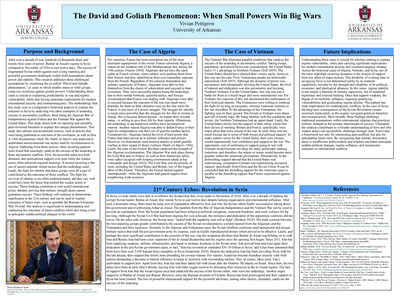
After over a decade of war, hundreds of thousands dead, and twenty-four years of power, Bashar al-Assad's regime in Syria collapsed in November of 2024 in just twelve days. The success of fragmented Syrian rebels against such a long-standing and powerful government challenges widely held assumptions about power and stability. This research addresses these challenged assumptions by examining the so-called “David and Goliath phenomenon," or cases in which smaller states or rebel groups come out victorious against greater powers. Understanding these cases is crucial to explaining predictability in war and regime vulnerability, while also having important implications for modern international security and counterinsurgency. The methodology that this study uses is a comparative historical analysis to explain the outcome in Syria by analyzing two other examples of underdog success in asymmetric conflicts, those being the Algerian War of Independence against France and the Vietnam War against the United States. This study draws both on reporting and scholarly, peer-reviewed literature to explain this unique phenomenon. Gathering from these sources, three recurring patterns were found that seemingly catalyze the success of the underdog in these asymmetric conflicts. First, among these cases of the David and Goliath phenomenon, the powerful states lost both domestic and international support over time while the weaker actors often achieved regional backings. For the case of Syria, the level of support the al-Assad regime received from their powerful allies of Russia and Iran significantly decreased prior to the collapse of the government, mirroring similar patterns seen in the cases of Algeria and Vietnam. A second recurring pattern in all these cases is the use of unconventional tactics that the underdogs used against their opposition, such as guerrilla warfare, acts of terrorism, and unique innovations that were made with their limited resources. Although these tactics were seemingly less significant against the larger, formal militaries, they proved to have success. Lastly, and perhaps the most important factor among the weaker-states, was the fight for identity that these groups were all a part of. The fight for survival of identity is too often underestimated, and this very well could have been the factor that pushed the weaker actors to success. These findings contribute to real-world international policy debates, proving that military strength alone cannot guarantee success. These findings will continue to demonstrate significance in the 21st century, and can be used to explain outcomes of future wars, such as possibly the Russian-Ukrainian War. Overall, this analysis is significant to understanding and explaining the outcomes of future conflicts while also being a tool to anticipate sudden political changes in the world.
-
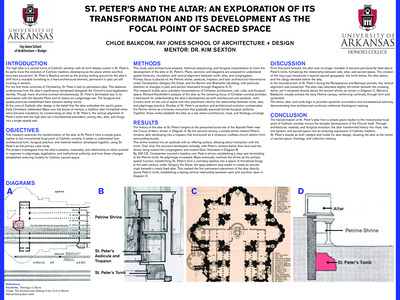
Rekindling Hearth: An Investigation and Discussion of the Traditional and Evolving Roles of Hearth in Architecture
Ruth Prenzler
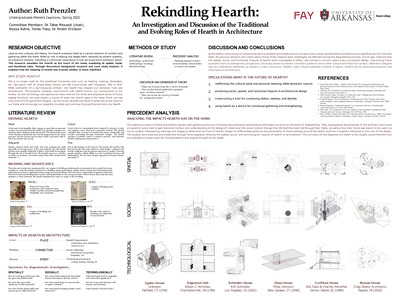
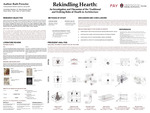
This research explores the evolving role of the hearth in domestic architecture, examining its historical significance and its continuing symbolic, spatial, and architectural relevance. Once essential for heat, cooking, and social gathering, the hearth has gradually shifted from a functional necessity to a largely symbolic and nostalgic artifact as a result of technological advancements and changing domestic lifestyles. Despite this functional decline, the hearth persists as a powerful cultural and architectural element, deeply embedded in collective memory and the perception of home. This study reexamines the hearth’s spatial, social, and functional roles through a combined methodology of literature review, theoretical inquiry, and visual diagramming. Scholarship addressing thermal environments, interior furnishings, nostalgia, and domestic rituals reveals long-standing concern over the loss of a central domestic anchor amid rapid modernization. To ground these discussions architecturally, six architectural case studies spanning pre-modern, modern, and contemporary periods are analyzed to identify patterns, shifts, and continuities in hearth placement, use, and meaning. Through detailed diagrams, the paper offers a visual and theoretical framework to understand hearth as both a cultural artifact and architectural feature, encouraging readers to question the role of comfort, memory, and centeredness in modern homes. The findings suggest that while the hearth’s original utilitarian functions have largely been replaced, its role as a locus of comfort, memory, and centeredness within the home remains intact. Rather than advocating for a literal return to open-fire heating, this research positions the hearth as a conceptual and spatial device capable of fostering well-being, community, and emotional grounding. Ultimately, this research advocates for a renewed understanding of the hearth in contemporary domestic architecture, encouraging architects to reclaim its latent social and cultural potential as housing continues to evolve.
-

Responses to Influencer’s Vlog on Instagram: Nicotine Pouches and Oral Health
Amrusha Ranjith
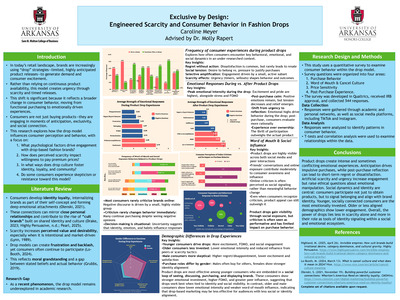
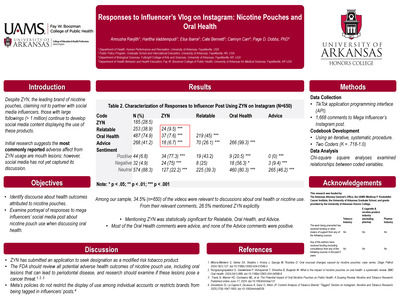
Despite claims by ZYN, the leading nicotine pouch brand, that it does not partner with social media influencers, influencers with large followings continue to post content depicting nicotine pouch use. Prior research suggests oral lesions are among the most commonly reported adverse events associated with nicotine pouch use; however, public discussions of these outcomes on social media remain understudied. This study examined public discourse surrounding nicotine pouch use and oral health in response to an Instagram post by a popular influencer. Methods: We collected 1,668 publicly available comments from an Instagram post by Emma Chamberlain (@emmachamberlain) using a social media application programming interface. An iterative coding process was used to develop a codebook. Two trained coders independently annotated all comments for relevance, mention of ZYN, relatedness, oral health, advice, and sentiment (positive, negative, neutral). Interrater reliability was high across codes (κ = .86–1.00). Chi-square analyses examined associations among coded variables. Results: Of all comments, 34.5% (n = 650) were relevant to nicotine use or oral health. Among relevant comments, 28.5% explicitly mentioned ZYN. Most relevant comments discussed oral health (75.1%), and 38.9% described how the influencer’s experience was relatable to the commenter’s own nicotine use or oral health concerns. Additionally, 41.2% of relevant comments provided advice, ranging from oral hygiene recommendations (e.g., brushing, flossing, water flossers) to suggestions to discontinue nicotine pouch use. Mentioning ZYN was significantly associated with expressing relatedness (p < .001), discussing oral health (p < .001), and offering advice (p < .001). Among ZYN-related comments, sentiment was predominantly neutral (68.6%), with fewer positive (18.4%) and negative (13.0%) sentiments.Conclusions: Social media platforms serve as spaces where users exchange experiential knowledge about nicotine pouch use and potential oral health consequences. These findings are particularly relevant as ZYN has submitted an application for designation as a modified risk tobacco product. Regulatory review should consider user-reported oral health concerns, including lesions that may contribute to periodontal disease and potentially elevate cancer risk. Influencer content may shape public understanding of nicotine products and provides a valuable opportunity for surveillance of emerging health perceptions and outcomes.
-
The Log Cabin | Public Perception and Mediated Reality (1840 – 1980)
Aspen Regan
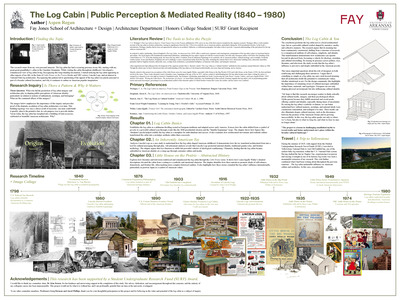
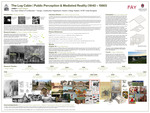
This capstone examines the evolution of the log cabin from 1840 to 1980. At its core, the project questions the legacy of the log cabin from its origins as simply being a traditional dwelling typology to its establishment as a cultural icon or rather, an enduring vessel foundational to the American Dream and ideals of self-reliance, freedom, and individualism deep within the heart of American culture. Various case studies, traditional literature review, and archival analysis was required to complete and produce a comprehensive study of the log cabin and its history in this context, culminating into three distinct chapters. Chapter One situates the log cabin historically and architecturally, defining the popular frontier dwelling as being a single-pen horizontal log constructed cabin. It then explores the cabin’s emergence as a cultural image through political propaganda, focusing on the 1840 presidential election, Abraham Lincoln’s log cabin birthplace, and the lasting “humble beginnings” narrative. Chapter Two features a case study of Lincoln Logs, a toy introduced in 1916, to analyze how log cabin imagery was used to shape American childhood. By studying advertisements from 1922 to 1935, this chapter reveals how a log cabin toy reinforced traditional gender roles, national values, and historical narratives—embedding these ideologies within American youth through play. Chapter Three examines how literature and television sustained and exaggerated the log cabin myth, using Laura Ingalls Wilder’s Little House series as a central case study. Focusing on Wilder’s early novels and their television adaptation, the chapter considers how the log cabin was not only portrayed with emotional and symbolic weight but also exported internationally, most notably to post World War II Japan, as a representation of American democracy and history. In conclusion, each chapter works to prove that, yes, the log cabin, through various medias, has established itself and fundamental American myths in the nostalgic folder of the American brain.
-
Methanogens on Asteroids?
Isabella Reimer
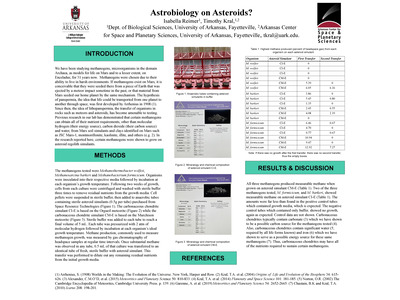
Methanogens on Asteroids? Introduction: It is conceivable that if methanogens, microorganisms in the domain Archaea, exist on Mars, they were seeded there from a piece of Earth that was ejected by a meteor impact sometime in the past, or that material from Mars seeded our home planet by the same mechanism. The hypothesis of panspermia, the idea that life could be transported from one planet to another through space, was first developed by Arrhenius in 1908 (1). Since then, the idea of lithopanspermia, the transfer of organisms in rocks such as meteors and asteroids, has become amenable to testing. Previous research in our lab has demonstrated that certain methanogens can obtain all of their nutrient requirements, other than molecular hydrogen (their energy source), carbon dioxide (their carbon source), and water, from Mars soil simulants and clays identified on Mars, such as JSC Mars-1, montmorillonite, kaolinite, illite, and others (e.g. 2). In the research reported here, certain methanogens were shown to grow on asteroid simulants. Methods: The methanogens tested were Methanothermobacter wolfeii, Methanosarcina barkeri and Methanobacterium formicicum. Following two weeks of growth, cells from each culture were centrifuged and washed with sterile buffer three times to remove residual nutrients from the growth media. Cell pellets were suspended in sterile buffer, then added to anaerobic tubes containing sterile asteroid simulants (0.5g per tube) purchased from Space Resource Technologies. Sterile buffer was added to each tube to reach a final volume of 5 mL. Each tube was pressurized with 2 atm of molecular hydrogen, followed by incubation at each organism’s growth temperature. Methane production, commonly used to measure methanogen growth, was measured by gas chromatography of headspace samples at regular time intervals. Results and Discussion: In two sets of experiments, all three of the methanogens tested showed measurable methane on the two asteroid simulants following incubation. In one set of experiments, cells growing on the asteroid simulants were transferred to fresh sterile tubes containing the same simulants plus buffer. This was done to dilute out any possible residual nutrients carried over from the starting media. So far, all of the methanogens produced methane on one or both asteroid simulants following this second transfer. If these organisms can be transported from Mars to Earth or Earth to Mars on asteroids, this would be extremely relevant to planetary protection. References: (1) Arrhenius, S. (1908) Worlds in the Making: The Evolution of the Universe. New York, Harper and Row. (2) Kral, T.A. et al. (2004) Origins of Life and Evolution of the Biosphere 34: 615-626.
-

Bridging the Gap in Dentistry: Harnessing Behavioral Health to Improve Oral Health Outcomes for Autistic Youth
Serenity Richardson
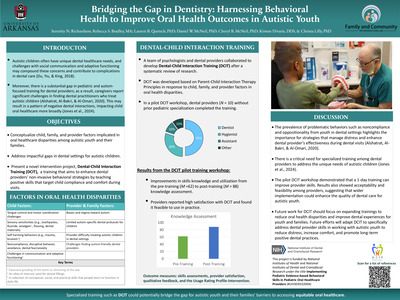
Background: Autistic children have unique dental healthcare needs. Oral complications stemming from poor tongue and motor coordination, high sensitivity to toothpaste and flossing, and sensory reactions to fluoride, amalgam, and other dental products are common. Autistic youth are also prone to dental-related emotional (e.g., dental fear and anxiety) and behavioral (e.g., noncompliance, disruptive behavior, avoidance) symptoms. There is also a substantial gap in pediatric and autism-focused training for dental providers, and caregivers report significant challenges in finding dental practitioners who treat autistic children. Taken together, autistic youth and their families face barriers to accessing timely, equitable oral healthcare. Unfortunately, delayed oral healthcare may increase the likelihood of distressing and invasive dental procedures for autistic children. Child behavioral symptoms combined with limited pediatric training among providers may result in a pattern of negative dental interactions, which impacts child and family engagement in oral healthcare more broadly. Objectives: This project will utilize extant literature to conceptualize child, family, and provider factors implicated in oral healthcare disparities among autistic youth and their families. We will present a novel intervention project funded by the National Institute of Dental and Craniofacial Research/National Institutes of Health, which aims to enhance dental providers' non-invasive behavioral strategies by teaching positive skills that target child compliance and comfort during visits. Methods: A systematic review of peer-reviewed research was conducted to conceptualize factors implicated in the oral healthcare experiences of autistic children. In response to the gap in training for dental providers, a team of psychologists and dental providers collaborated to developDental-Child Interaction Training (DCIT), a research-informed training program drawing on principles from Parent-Child Interaction Therapy. Dental providers (N = 10) in a southern state participated in a pilot training focused on child behavioral health principles. Workshop outcome measures included skills assessments, provider satisfaction with the training, qualitative feedback, and the Usage Rating Profile-Intervention. Results: Findings from the literature review underscored a complex interaction of child, family, and provider factors implicated in oral health care treatment disparities among autistic youth. The findings also supported the utility of behavioral interventions among general pediatric healthcare providers and the extension of applied trainings to dental practitioners. Initial results from the DCIT training workshop reflected improvements in skills knowledge and utilization among participating dental providers from the pre-training (M =62) to post-training (M = 88) knowledge assessment. Providers also reported high rates of satisfaction with the training. Conclusions: There is a critical need for specialized training among dental providers to address the unique needs of autistic children. The pilot DCIT workshop demonstrated that a one-day training can improve provider skills. Results also showed acceptability and feasibility among providers, suggesting that wider implementation could enhance the quality of dental care for autistic youth. In the coming years, DCIT will be expanding trainings to reduce oral health disparities and improve dental experiences for youth and families. Future efforts will adapt DCIT to specifically address dental provider skills in working with autistic youth to reduce distress, increase comfort, and promote long-term positive dental practices.
-
Building Mental Health Literacy: The Impact of Youth Mental Health First Aid on Emerging Youth Professionals
Burgin Rome
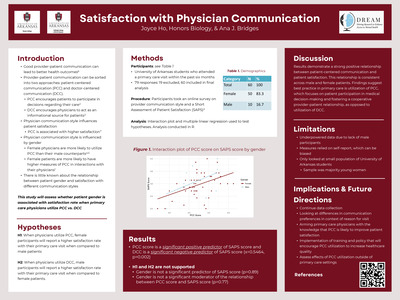
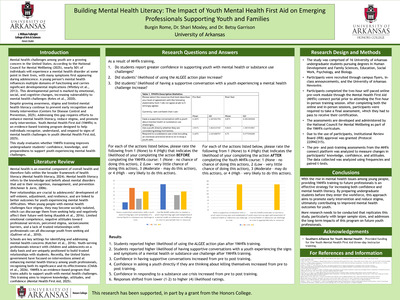
Nearly half of individuals in the United States will experience a mental health disorder during their lifetime, with many symptoms first emerging in childhood or adolescence. Adolescence is a critical developmental period characterized by emotional, social, and psychological changes that increase vulnerability to mental health challenges. Although public awareness of mental health has grown, stigma and societal taboos continue to limit open dialogue and delay intervention. As a result, many young people experience a significant gap between the onset of symptoms and receipt of professional support, which can worsen mental health concerns and contribute to long-term consequences that persist into adulthood.Youth Mental Health First Aid (YMHFA) is an evidence-based training program designed to address this gap by equipping individuals with the skills to recognize, understand, and respond to signs of mental health challenges in youth. The program empowers community members to act as early responders, promoting timely support and connection to appropriate professional resources.This study examines the impact of YMHFA training on undergraduate students preparing for youth-centered careers. Rome and Moxley will deliver the YMHFA course to approximately 30 undergraduate students at the University of Arkansas. The course includes two hours of self-paced online coursework and five hours of instructor-led training focused on recognizing warning signs of mental health challenges, responding to crisis and non-crisis situations, and applying a structured action plan to support the youth. Participants must complete standardized pre- and post-training assessments developed by the National Council for Mental Wellbeing to measure changes in knowledge, attitudes, and confidence related to supporting youth mental health. Rome plans to analyze the data using frequencies and paired t-tests to evaluate changes following the training. The anticipated results are that YMHFA training enhances undergraduate students’ confidence and preparedness to recognize and respond to mental health challenges in youth. Participants are expected to demonstrate improved readiness to initiate supportive conversations, apply intervention strategies such as the ALGEE action plan, and determine appropriate next steps for referral. These findings are predictive of YMHFA effectively equipping future youth-serving professionals with foundational mental health skills, supporting earlier intervention and improved outcomes for the young people they will serve.
-
The Physiological and Psychological Effects of Social Media Addiction: A Mixed Methods Study
Ella Roper
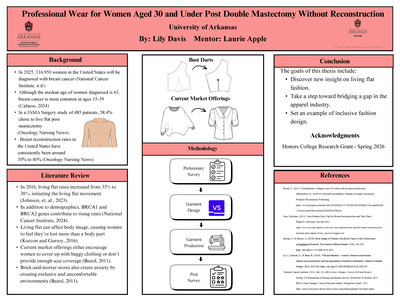
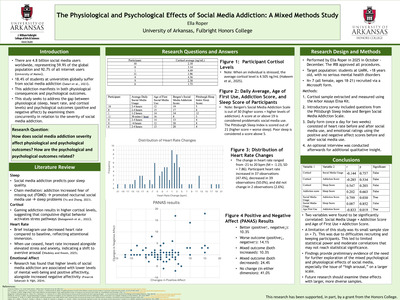
Social media is a worldwide phenomenon that has taken the world by storm; individuals, multimillion dollar companies, hospitals and universities alike are all similar in that there is a good chance they have a social media presence. Needless to say, there are many benefits of social media including connection and networking, however there are also consequences. My study focuses on one of the consequences, social media addiction, in hopes of enlightening individuals to the risks of social media and hopefully inspiring systematic change to make the future of social media a little less risky. I am using a scale from a previous study done at a different university to identify individuals suffering from social media addiction. For physiological effects, effects on the body, I monitored cortisol, a stress hormone, level changes, sleep quality, and heart rate. For the psychological effects, I looked at mood before and after social media use using a positive and negative affect scale. I used these statistics to look at the health of social media addicted individuals. I also conducted an optional interview with participants to get a deeper understanding of their relationship with social media and their ideas about it. I hope this mix of quantitative and qualitative looking at both physical and psychological effects will lead to more research into the topic as I feel it is very important to the future, especially to those growing up in a world filled with social media.
-
A Preliminary Study on a Variant Recension of De excidio Troiae
Kailee Rowe
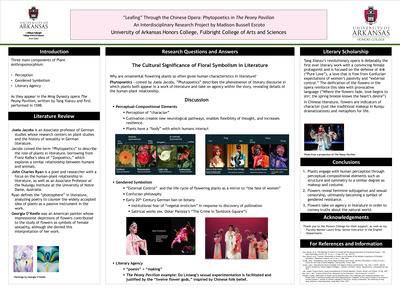
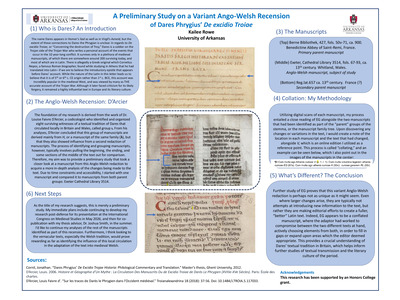
This undergraduate research is a work of textual criticism identifying and evaluating a variant redaction of Dares Phrygius' De excidio Troiae that originated and circulated in Britain and Wales during the High Middle Ages. De excidio Troiae is a Latin text ascribed to Dares Phrygius, purportedly a soldier who had written a firsthand account of the Trojan War. Since knowledge of Greek was rare in the West during the medieval period, this text became one of the prominent sources for learning about the Trojan war. I am looking to a redaction, or version, of the text that appears to have circulated in Britain starting around the 12th century, although the details of the redactor remain obscure. Utilizing codicologist Louis Faivre d’Arcier’s work on this text, his list of the 7 manuscripts identified as part of this unique British redaction is what guides my research. D'Arcier collated, or categorized, these manuscripts into the unique recension in question, and is the leading scholar in this research, with not much other previous studies on this specific redaction available. My aim is to work towards a preliminary study of this Anglo-Welsh version by comparing one of the 7 manuscripts in this group, Exeter, Cathedral Library MS 3514, to two manuscripts part of the “parent” branches in its family tree in order to identify what changes had been made. To do so, I compare EG with its “parent” manuscripts closely and document any changes that occur. These changes are then categorized by nature of the change to determine not just if there are differences in the text, but in what ways the text is changed, and what that says about medieval editing. So far, my results are that this is indeed a unique recension, and I am finding interesting editing choices by the redactor who was utilizing multiple versions of the text and compromising between the two when the texts diverged from each other. I am also looking to explicate Welsh textual circulation at large, as well as what narrative was responsible for people's understanding of the Trojan War in the British Isles. Many notable medieval British authors, such as Geoffrey of Monmouth, were aware of this story and were influenced by it in their own writing. It is important, especially in an academic standpoint, to understand where the sources for our sources come from and to develop that foundation before we build upon our understanding of medieval literary history. Beyond this, this study will further illuminate the reception and understanding of the Trojan War, one of the oldest and influential Greek myths in the Western world, in both the medieval world and the modern.
-
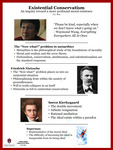
On the Untherapeutic Nature of Philosophy
Zack Roy
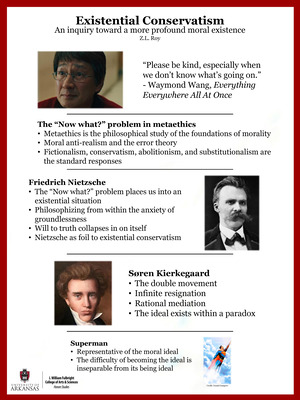
This project is an inquiry into the nature of philosophy and the relation it bears to the person who philosophizes. I will argue that philosophy is an inquiry into truth. But the sorts of truths on the table for philosophical inquiry do not necessarily comport with our desires and values. This project will explore them, dividing them into truths about the human condition and truths about external reality. We will see that the various philosophical questions posed with respect to these two domains allow for answers whose acceptance could have radical, upsetting, and perhaps ultimately harmful consequences. Friedrich Nietzsche raised similar concerns, and we will consider them along with his closely related claims that humans require fictions (untruth) in order to live. We will use this discussion to consider whether philosophical inquiry itself may be potentially harmful. I will argue that implicit in much philosophical theorizing (and explicit in the case of philosophers like Sami Pihlström, whom we shall consider) is that harmful truths are “off the table.” Or, if they are not off the table, they are at least “last resorts,” as in the case of pessimistic views such as those of David Benatar and Arthur Schopenhauer. My defense of such theses is intended not so much to convince the reader that they are true, but rather to encourage the recognition that disturbing positions on reality and the human condition are genuinely possible options. I will conclude by explaining what I take to follow from the preceding discussions: that philosophy can be unsettling, risky, and, above all, untherapeutic. One who wishes to philosophize would do well to ask themself what they intend to gain out of such an inquiry, and should further wonder whether they have any reason to expect to be better off by conducting it. If we can accept that philosophical truths need not conform to our desires and values, then we may pursue them without obscuring pretensions; attention will thus be drawn to Nietzsche’s frequent metaphorical comparison of philosophy to “wandering through the mountains.”
-
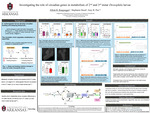
From Chaos to Clockwork: Investigating the Role of Circadian Genes in Metabolic Development of 2nd and 3rd Instar Drosophila Larvae
Elliott Ruegsegger
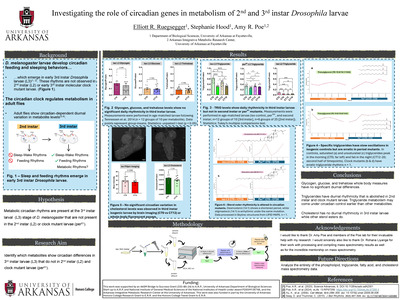
Connecting deficits in circadian rhythm machinery to the severity of other health conditions is a common task that chronobiology, the study of physiological rhythms, undertakes. Disruptions to circadian rhythms and sleep are linked to increased risk of developing multiple different diseases, including Alzheimer’s Disease and obesity. Circadian rhythms are expressed at the molecular level through rhythmic variations in the concentration of specific proteins. While the central clock genes that produce these proteins, such as period and timeless, are evolutionarily conserved across the animal kingdom, not much is known about the consequences of disruptions in circadian rhythm machinery during early development, notably when feeding patterns come under circadian control. Our previous findings indicate that Drosophila sleep and feeding rhythms come under circadian control at the early 3rd instar (L3) larval stage. However, it is not known whether larval metabolism comes under circadian control at a similar developmental time. Therefore, we examined whether various metabolite levels vary in early 3rd instar larval bodies at various circadian time points using colorimetric analyses, fatty acid methyl ester synthesis, and liquid chromatography-mass spectrometry. Here, we present our triglyceride, glucose, glycogen, trehalose and cholesterol colorimetric measures and fatty acid, phospholipid, and cholesterol profiles of both wildtype and molecular clock mutant L3 larvae. While there were no differences measured in glucose, glycogen, and trehalose, we did observe a diurnal difference in triglyceride concentrations in wildtype L3 and a blunting of this rhythm in clock mutants. Our preliminary results suggest that the central circadian clock may begin to regulate Drosophila metabolism at the early L3 stage. Our findings improve our understanding of developmental metabolism and begin to elucidate the connections between the brain and the body’s metabolism.
-
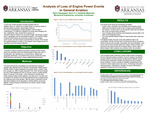
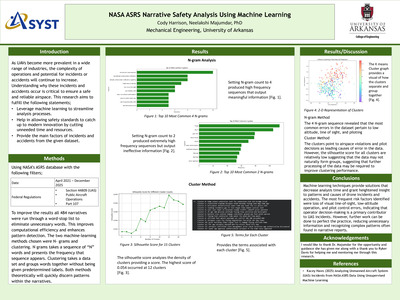
Analysis of Loss of Engine Power Events in General Aviation
Saloni Satappagol
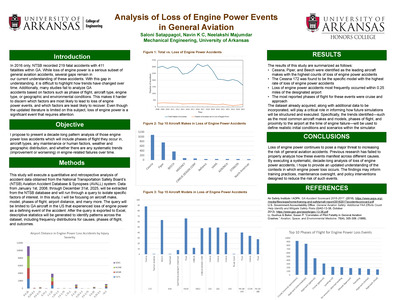
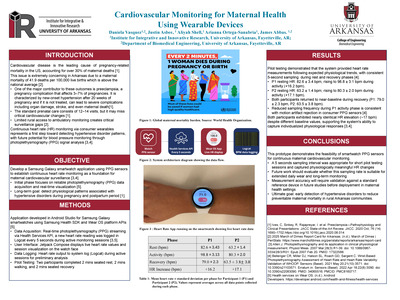
Among different parts of aviation, general aviation (GA) stands out as one of its largest and most vital sectors. GA is defined as any civil aviation activity excluding scheduled commercial flights and military operations. While loss of engine power is a serious subset of general aviation accidents, accounting for more than 200 fatal accidents per year, several gaps remain in our current understanding of these accidents. While current literature includes older studies from 2000-2014, new data from the past decade have not been analyzed for trends yet. With this significant gap of more than a decade in understanding, it is challenging to highlight how trends have evolved over time, and thus necessitates studying the overall improvement or lack thereof from the past decade. Additionally, many studies fail to distinguish between different types of loss-of-engine-power events (partial vs. total vs. fuel-related vs. mechanical), nor do they analyze GA accidents based on factors such as phase of flight, aircraft type, engine type, pilot experience, or geographic and environmental conditions. This makes it harder to discern which factors are most likely to lead to loss of engine power events, and which factors are least likely to recover. This study executes a quantitative and retrospective analysis of accident data obtained from the National Transportation Safety Board’s (NTSB) Aviation Accident Database & Synopses (AVALL) system. The AVALL database provides detailed information about each accident recorded, including accident narratives, probable causes, and coded categorical variables. Preliminary findings include graphs that have been produced to demonstrate that loss of engine power constitutes a substantial proportion of total GA accident events. Additional graphs highlighting the most frequent causes and the top aircraft makes and models associated with these events further suggest non-uniform risk distributions, motivating deeper analysis of future phases of the study. Long-term, this work is intended to serve as a foundation for experimental research. The results of this quantitative analysis will be used to design future simulation-based experiments in our research laboratory, which houses a flight simulator. The findings may inform training practices, maintenance oversight, and policy interventions designed to reduce the risk of such events and improve survivability when they do occur.
-

Caregiver Satisfaction of Parent-Child Interaction Therapy with Autistic Youth: A Mixed-Methods Study of Coaching vs. Non-Coaching Approaches
Madeleine Schlegel and Chelsea Kendrick
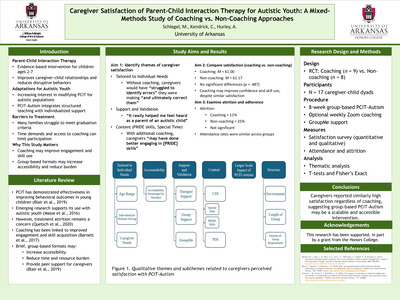
Though few family-based interventions exist to address disruptive behaviors with Autistic youth, one such treatment, Parent-Child Interaction Therapy (PCIT), has a growing body of evidence to suggest that it can be used with Autistic families to promote positive caregiver-child interactions and reduce child aggression or defiance (Scudder et al., in press). However, to date, a standardized protocol to use with Autistic youth (PCIT-Autism) has not been outlined or tested to ensure that the needs of Autistic youth and families are adequately met. Based on feedback from an Autism Community Advisory Board, where Autistic community members and their families communicated their wants for a family-focused psychological intervention (Quetsch et al., under review), PCIT-Autism (Shah et al., in prep) is an 8-week intervention that combines (1) once weekly 90-minute in-person parent-only group sessions to build parenting skills with (2) once weekly 30-minute telehealth, live coaching sessions for extra support and guidance. This present mixed-methods study aimed to assess whether a less intensive version of the intervention that omits the coaching component yields higher caregiver satisfaction compared to the more intensive, coaching-inclusive model. Caregivers of Autistic youth were randomly assigned to a coaching group (n = 9) or to a non-coaching group (n = 8). English-speaking caregivers with Autistic children between ages 2.5-10 years of age were eligible to participate in the study. Caregivers who identified as Autistic themselves (ncoach = 1, nno-coach = 2) and caregivers of minimally speaking children (ncoach = 6, nno-coach = 4) were included in the study. After participating in the 8-week PCIT-Autism protocol, all caregivers completed a Group Satisfaction Survey, which consisted of 14 quantitative items in which caregivers were asked to rate the degree to which they agreed with each statement (e.g., I feel that my needs as a caregiver of an Autistic child were adequately addressed in the parent skills group) on a 5-point scale (1 = Strongly Disagree to 5 = Strongly Agree). Caregivers were also asked to provide feedback on 7 qualitative items (e.g., Please describe your overall experience participating in the parenting skills group in a few short sentences), which allowed caregivers to share specific thoughts and experiences regarding the group. Mixed-methods analyses (i.e., independent samples t-test, thematic analysis) were used to examine perspectives of caregivers who (1) received coaching or (2) did not receive coaching. Results indicated no significant quantitative difference in caregiver satisfaction between the PCIT-Autism with coaching group (M = 61.00, SD = 7.35) and the PCIT-Autism without coaching group (M = 62.00, SD = 10.23), t(14) = -.255, p = .826. However, qualitative feedback suggests that caregivers perceive distinct benefits of caregiver coaching. The current study will discuss outcomes and themes from this pilot trial, how caregiver feedback can inform adaptations to improve engagement and feasibility of PCIT-Autism, and next steps in clinical trials.
-
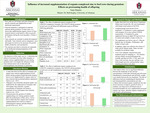
Effect of organic vs inorganic zinc sources in beef cattle diets during gestation on calf immune function and colostrum quality
Naija Sharpley
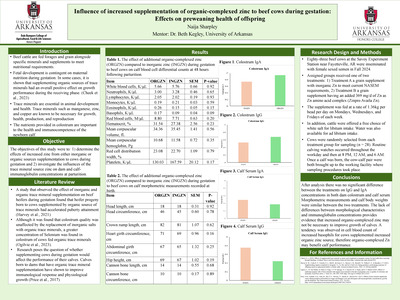
The objective of this study is to determine the effect of zinc supplementation in cattle feed on beef cattle during gestation and the influences of the trace mineral zinc on colostrum and calf immunocompetence measuring immunoglobulin concentrations and body weight. Cow-calf systems rely on the effectiveness and consistency of their nutritional intake. Beef cattle are fed forages and grain alongside specific minerals and supplements to meet nutritional requirements. The effectiveness of these trace minerals added to the diet helps to ensure that the animal gets the most out of its feed and the producer gets the most out of the animal. Factors being analyzed are inorganic and organic zinc concentrations, colostrum quality, and calf body weight. The experiment is quantitative and will utilize randomized experimentation and sampling. Pregnant cows (n=83) will be allotted to 4 groups based on, sire of heifer calf, cow age, and cow BW taken at weaning. Assigned groups received one of two treatments: 1) Treatment A will be a grain supplement with inorganic Zn (Diet B138) to meet current NASEM requirements, 2) Treatment B will be a grain supplement containing an additional 369 mg/d of Zn as Zn amino acid complex (Zinpro Availa Zn) (Diet B139). Groups 1 and 4 receive Treatment A. Groups 2 and 3 receive Treatment B. Supplement fed at a rate of 3lb a head per day on Mondays, Wednesdays, and Fridays of each week. Blood samples were collected from dams at days 56 and 84 of experiment, from calves’ blood is collected at 48 hours after birth. Blood collected from dams via jugular venipuncture using tiger-striped tubes, and serum is frozen, and blood collected from calves via jugular venipuncture using tiger-striped and purple topped tubes. After calving, and after calf has nursed, cows move to chute for colostrum collection. Colostrum is then tested using ELISE IgG and IgA assay kits for immunoglobin concentrations. Red top tubes were spun down for serum extractions and used for IgA and IgG analysis using ELISA kit. All treatment cows will have dystocia scores (difficulty of labor) , calf vigor scores, and calf birth weights recorded, along with any morbidity or treatment incidents during the gestational or lactational periods. Results are not available at present. Through previous research, it is predicted that organic supplementation on gestational cows will affect their post-natal calves, potentially increasing immunoglobulin concentration in calf blood and in cows’ colostrum.
-
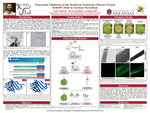
Functional Characterization of the Reniform Nematode Effector Protein Rr6640 in Soybean Parasitism
Noah Solomon
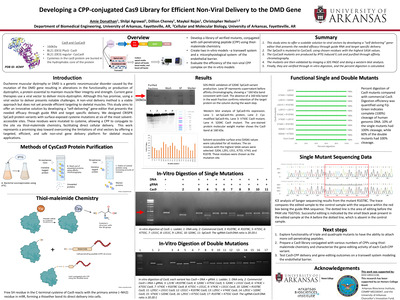
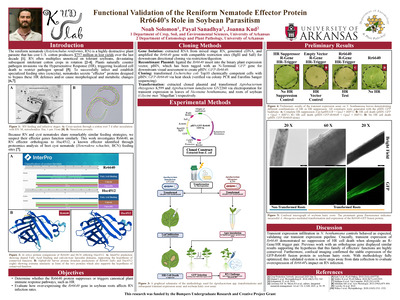
Reniform nematode (Rotylenchulus reniformis, RN) is a major plant-pest affecting key crops in Arkansas such as cotton and soybean, causing economic losses exceeding $757 million in the U.S. over the past decade. While some genetic resistance exists in cotton, soybean remains highly susceptible, exacerbating RN populations in crop rotations. To address this gap, this research investigates the mechanisms of nematode infection focusing on effectors, the specialized proteins secreted by the parasite to manipulate host cell biology and suppress plant immunity. This study characterizes Rr6640, a putative effector gene identified as an ortholog to a virulence factor in the Beet Cyst Nematode (Heterodera schachtii). Given the similar sedentary feeding strategies of cyst and reniform nematodes, we hypothesize that Rr6640 plays a conserved, critical role in successful parasitism. To test this hypothesis, the current work employed a multi-step molecular cloning and functional validation process. First, the Rr6640 gene was isolated and cloned into the pBIN::GFP overexpression vector. This construct was transformed into Agrobacterium strains to facilitate two parallel experiments. We are currently utilizing Agrobacterium rhizogenes K599 to generate transgenic soybean hairy roots, to assess if the gene enhances nematode infection rates. Additionally, we are conducting Agrobacterium tumefaciens GV2260-mediated transient assays in Nicotiana benthamiana to determine if Rr6640 can suppress programmed cell death, which will indicate if the gene has a role in suppressing plant immune responses. Preliminary results confirm the successful isolation, cloning, and bacterial transformation of the Rr6640 gene, validated through gel electrophoresis and Sanger sequencing. Current work is focused on confirming stable protein expression in plant tissues. By elucidating the function of Rr6640, this research contributes to a deeper understanding of nematode-plant interactions and identifies potential genetic targets for engineering resistant soybean crops, ultimately reducing nematode-related crop losses in Arkansas.
Printing is not supported at the primary Gallery Thumbnail page. Please first navigate to a specific Image before printing.